Why Understanding Roof Replacement Costs Matters for Northeast Ohio Homeowners
Your home’s roof is its first line of defense against the elements. From scorching summer sun and heavy rains to the brutal, ice-dam-forming winters of Northeast Ohio, your roof works tirelessly to protect your family and your most significant investment. However, like all things, it has a finite lifespan. When the time comes for a replacement, it represents one of the largest and most important home improvement projects you’ll undertake. The cost can be substantial, and the process, if not managed correctly, can be stressful.
Understanding the factors that influence roof replacement costs is crucial. It empowers you, the homeowner, to budget effectively, evaluate contractor bids intelligently, and avoid both overpaying and the pitfalls of suspiciously low quotes. A cheap roof is often an expensive mistake, leading to premature failure, leaks, and costly interior damage. A roofing cost calculator is an excellent starting point in this journey. It’s a digital tool designed to give you a preliminary, ballpark estimate based on key variables like your home’s size, the type of roofing material you prefer, and your location.
While a calculator can’t replace a professional, on-site inspection, it provides a foundational understanding of the potential investment. It demystifies the pricing and helps you ask the right questions. For homeowners in Northeast Ohio, where weather conditions can be particularly harsh, knowing these costs upfront allows for better financial planning and ensures you partner with a reputable contractor, like Walker Roofing & Construction LLC, who can deliver a durable, high-quality roof that will protect your home for decades to come.
How to Use a Roofing Cost Calculator and Understand the Key Price Factors
When you’re starting on a major home improvement like a roof replacement, having a clear understanding of the potential costs is paramount. A roofing cost calculator serves as a valuable preliminary tool, offering homeowners a ballpark figure before they dive into the nitty-gritty of contractor quotes. It’s like checking the menu before ordering a gourmet meal – you get an idea of what to expect.
What a roofing cost calculator is and how it works
A roofing cost calculator is an online estimation tool designed to provide homeowners with an approximate cost for their roofing project. It’s not a substitute for a detailed, on-site inspection and quote from a qualified professional, but it’s an excellent starting point for financial planning and understanding the variables at play.
How does it work? Typically, a roofing cost calculator functions by asking you to input several key pieces of information about your home and desired project. These input variables include:
- Square footage of your roof: This is often the most significant factor. Many calculators allow you to input your home’s footprint, and they’ll apply a multiplier for roof area, or you can directly input the roof’s surface area if you know it. For complex roof shapes, you might need to calculate the area of each simple shape and sum them for a more accurate total.
- Roof complexity: This can involve factors like the number of stories your home has, the presence of dormers, valleys, hips, or multiple roof planes. More complex roofs require more cuts, more specialized labor, and potentially more material waste.
- Material type: This is where your aesthetic and budget choices come into play. You’ll select the type of roofing material you’re considering (e.g., asphalt shingles, metal, tile, slate).
- Roof pitch or slope: This refers to the steepness of your roof. A steeper pitch generally means higher labor costs due to increased safety measures and difficulty of work, and it also means a larger surface area to cover for the same horizontal footprint.
- Location (zip code): Your geographic location is crucial. Labor rates, material availability, and local building codes vary significantly from one region to another. Inputting your zip code helps the calculator provide a more localized estimate based on regional market prices.
- Additional extras: Some calculators allow you to account for factors like whether an old roof needs to be torn off (and if there are multiple layers), the number of skylights, chimneys, or other penetrations that add complexity and cost.
Once you input these details, the calculator processes the information using average material costs, labor rates, and waste factors. It then provides a ballpark estimate, often showing a low, mid, and high-range cost. This range helps you understand the potential spread of costs and allows for better financial planning. While these are estimates, they empower homeowners to approach contractors with a clearer idea of what they should expect.
How different roofing materials affect the overall cost
The choice of roofing material is one of the most impactful decisions you’ll make, significantly influencing both the upfront cost and the long-term value of your roof. Different materials offer varying lifespans, aesthetics, and performance characteristics, all of which contribute to their price point.
Here’s a comparison of common roofing materials:
| Material Type | Average Cost (per sq ft installed) | Average Lifespan | Pros – Asphalt Shingles: The most popular roofing material in the U.S. due to its affordability and ease of installation. They come in a wide range of colors and styles, including architectural or dimensional shingles that mimic the look of more expensive materials. While cost-effective, they have a shorter lifespan compared to other options. | $3.50 – $7.50 | 15-30 years |
- Metal Roofing (Steel, Aluminum, Copper): Known for its durability, longevity, and energy efficiency. Metal roofs can last 50 years or more and are highly resistant to fire, wind, and hail. While the initial cost is higher, the long-term value is excellent. They are also available in various styles, from standing seam panels to stone-coated steel tiles that resemble traditional shingles. | $9 – $20+ | 50-70+ years |
- Wood Shakes/Shingles: Offers a natural, rustic aesthetic that many homeowners love. Cedar is a popular choice for its durability and resistance to rot and insects. However, wood roofs require more maintenance than other materials and can be a fire hazard in certain areas. | $7 – $15 | 20-40 years |
- Slate or Tile: These are premium, high-end roofing materials known for their exceptional beauty and longevity, often lasting 100 years or more. They are incredibly durable and fire-resistant. The primary drawbacks are their high cost and significant weight, which may require structural reinforcement of the roof deck. | $10 – $30+ | 50-100+ years |
- Synthetic/Composite Shingles: A modern alternative that mimics the look of slate, wood, or tile but is made from a composite of rubber, plastic, and other materials. They are lightweight, durable, and often more affordable than their natural counterparts. | $8 – $15 | 40-50 years |
Other Factors That Influence the Final Price
Beyond the core components, several other factors can influence the final cost of your roof replacement:
- Roof Accessibility: If your home is difficult to access (e.g., surrounded by dense landscaping, on a steep hill), it may require more labor and specialized equipment, increasing the cost.
- Time of Year: Roofing is a seasonal business. The busiest times are typically late spring, summer, and early fall. You might find more competitive pricing during the off-season (late fall or winter), but weather can cause delays.
- Geographic Location: As mentioned, labor and material costs vary significantly by region. A roofer in a major metropolitan area will likely have higher overhead and labor rates than one in a rural area.
- Warranty: The quality of the warranty, both from the manufacturer and the contractor, can affect the price. A more comprehensive, longer-lasting warranty might come with a higher upfront cost but provides greater peace of mind and long-term value.
Understanding these variables will help you have a more informed conversation with your contractor and better interpret the quotes you receive. Walker Roofing & Construction LLC is committed to providing transparent, detailed estimates that account for all these factors, ensuring you know exactly what you’re paying for.
Getting an Accurate Quote and Making Smart Decisions
Once you’ve used a roofing cost calculator to get a preliminary idea of expenses, the next crucial step is to engage with professionals and make informed decisions. This involves understanding when a repair suffices, how to get the most accurate quotes, and, critically, how to choose the right contractor for such a significant investment.
When is a Roof Repair Sufficient vs. Needing a Full Replacement?
Deciding between a roof repair and a full replacement is a common dilemma for homeowners. It often comes down to the extent of the damage, the age of your roof, and what makes financial sense in the long run. Think of it like a car: a flat tire is a repair, but a blown engine usually means a replacement.
Here are key signs that indicate a full roof replacement is likely necessary:
- Roof Age: This is often the most telling sign. Asphalt shingle roofs typically last 15-30 years, depending on the quality of the material and the local climate. If your roof is nearing or past its expected lifespan, even minor issues can signal that the entire system is beginning to fail. A 20-year-old 3-tab asphalt shingle roof, for example, is likely due for retirement.
- Widespread Cracking or Curling: Shingles that are curling at the edges (cupping) or buckling in the middle are losing their ability to shed water effectively. Widespread cracking is another sign of advanced age and weather damage. If this is happening in multiple areas, it’s a strong indicator that the entire roof is compromised.
- Significant Granule Loss: The sandpaper-like granules on asphalt shingles are crucial for protecting the underlying asphalt from UV rays, which cause it to dry out and become brittle. If you notice large amounts of these granules in your gutters or bare, dark patches on your shingles, your roof is losing its protective layer and is nearing the end of its life.
- Sagging Roof Deck: A sagging or drooping roof deck is a serious structural issue. It often indicates that the underlying sheathing has been compromised by moisture and is rotting. This requires immediate attention and almost always necessitates a full replacement, as the structural integrity of the roof is at risk.
- Extensive Water Damage: While a single, isolated leak might be repairable, multiple leaks or signs of water damage in your attic (like damp insulation, water stains on the ceiling, or mold growth) point to a systemic failure of the roofing system. Patching one leak may only be a temporary fix before another one appears elsewhere.
In contrast, minor issues such as a few missing or damaged shingles from a storm, a small leak around a vent pipe, or localized flashing problems can often be addressed with a targeted repair. These repairs typically cost significantly less than a full replacement, ranging from $500 to $1,500 depending on the material and the extent of the work. However, if you find yourself making frequent repairs, it’s often more cost-effective in the long run to invest in a full replacement. Walker Roofing & Construction LLC offers expert roof repair services and can provide an honest assessment to help you decide whether a repair or replacement is the right solution for your home.
More info about x services
How to Get the Most Accurate Roofing Cost Estimate and Choose a Contractor
While a roofing cost calculator offers a fantastic starting point, nothing beats the precision of a professional, on-site inspection. To transition from an estimate to an accurate, reliable quote and ensure a successful project, here’s how to proceed:
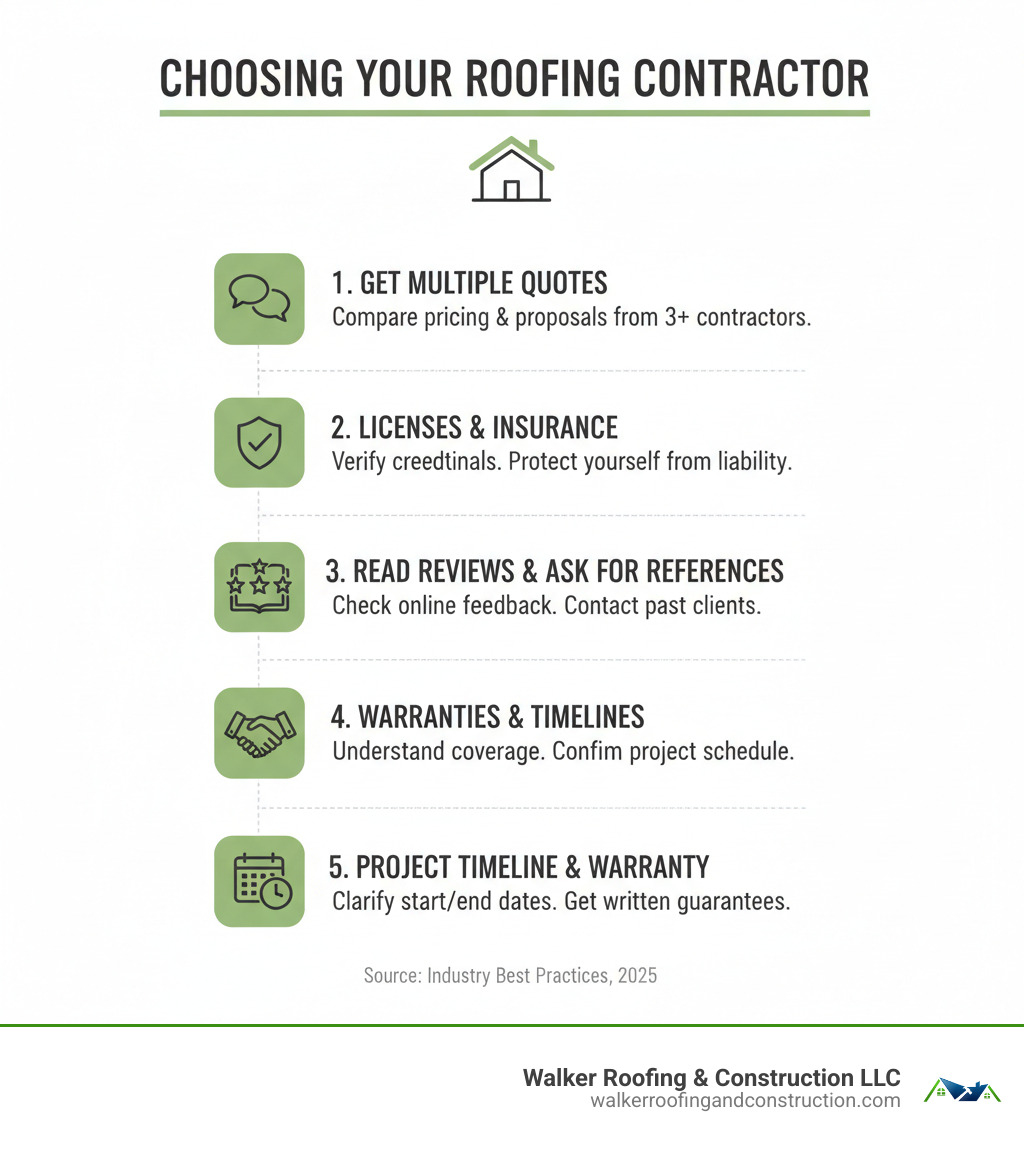
- Schedule Professional On-Site Inspections: A reputable contractor will conduct a thorough inspection of your roof, both from the outside and, if accessible, from the attic. This allows them to identify underlying issues like rotted decking, inadequate ventilation, or damaged flashing that a satellite-based estimate can’t see. This detailed assessment is the foundation of an accurate quote.
- Request Detailed, Written Estimates: Don’t settle for a verbal quote or a single lump-sum price. Insist on a detailed, itemized estimate that breaks down the costs for materials (specifying the brand and type of shingles, underlayment, etc.), labor, tear-off and disposal of old materials, permits, and any additional components like new flashing or ventilation. This transparency allows you to compare quotes apples-to-apples and understand exactly what you’re paying for.
- Get Multiple Quotes: It’s wise to get at least three quotes from different, well-regarded roofing contractors. This helps you gauge the fair market price for your project and compare the scope of work, materials, and warranties offered by each company. Be wary of any quote that is significantly lower than the others, as it may indicate subpar materials, inexperienced labor, or hidden costs.
- Verify Licensing and Insurance: This is a non-negotiable step. A professional contractor must be licensed to work in your area and carry both general liability insurance and workers’ compensation insurance. Liability insurance protects your property from damage, while workers’ compensation protects you from liability if a worker is injured on your property. Ask for proof of insurance and verify it with the insurance carrier.
- Check Reviews and Ask for References: Look for online reviews on independent platforms like Google, Yelp, and the Better Business Bureau. A consistent pattern of positive feedback is a good sign. Additionally, ask the contractor for a list of recent local references. Speaking to past clients can provide invaluable insight into their experience, the quality of the work, the crew’s professionalism, and how any issues were handled.
- Understand the Warranties: A new roof is a significant investment, and it should be protected. Inquire about both the manufacturer’s warranty on the materials (which can vary in length and coverage) and the contractor’s workmanship warranty. A contractor who stands behind their work will offer a solid workmanship warranty. For example, Walker Roofing & Construction LLC is a Certified CertainTeed Master Shingle Installer, which allows them to offer some of the best manufacturer warranties in the industry, backed by their own 10-year workmanship guarantee.
- Ask the Right Questions: Don’t hesitate to ask detailed questions. How long has the company been in business? Who will be the project manager? How will they protect your property (landscaping, siding, etc.) during the project? What is the process for handling unexpected issues, like rotted decking? A professional contractor will be happy to answer all your questions and ensure you feel comfortable and informed.
Choosing the right roofing contractor is as important as choosing the right materials. Walker Roofing & Construction LLC, with over 20 years of experience serving Northeast Ohio, specializes in roof installation, repair, and expert insurance claims assistance. Their commitment to quality, transparency, and long-term workmanship assurance makes them a trusted partner for your roofing project. By combining the insights from a roofing cost calculator with diligent contractor vetting, you can ensure your roof replacement is a smooth and successful investment.
Get Your Free Roof Replacement Estimate Today!