Why Understanding Insurance Claims Can Save You Thousands
When storm damage strikes your Northeast Ohio home, knowing how insurance claim roof repairs work becomes critical to protecting both your property and your wallet. Approximately 50% of all roofs are replaced through insurance claims, yet most homeowners feel overwhelmed when filing their first claim.
Quick Answer for Insurance Claim Roof Repairs:
• File within 365 days of damage occurrence
• Document everything with photos and receipts
• Call a roofer first for professional damage assessment
• Understand your coverage – ACV vs RCV makes a huge difference
• Know your deductible – claims under this amount get rejected
• Expect 30-60 days from approval to final payment
Most homeowners insurance policies cover sudden, accidental roof damage from wind, hail, fire, and falling objects. However, normal wear and tear, neglect, and poor workmanship are excluded.
Your policy type matters enormously. Replacement Cost Value (RCV) policies pay full replacement cost, while Actual Cash Value (ACV) policies subtract depreciation – potentially leaving you thousands of dollars short.

Why This Guide Matters
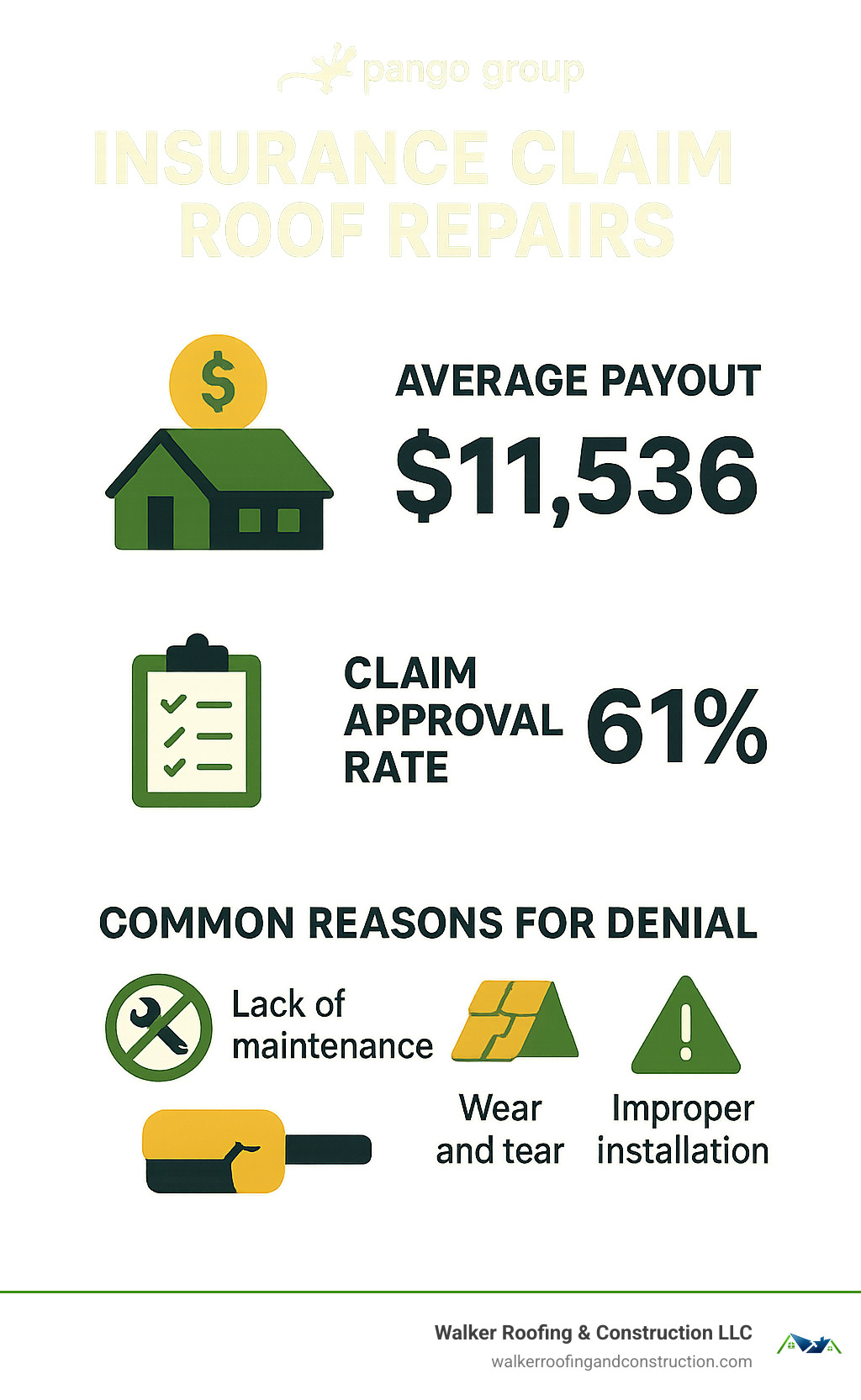
Wind and hail are among the top causes of insurance claims for roof damage across the United States. In Ohio, homeowners have strict deadlines for filing claims – typically 365 days from the date of loss. The average homeowners insurance payout for roof claims ranges from $5,000 to $7,000, though wind and hail claims average around $13,000.
What Your Homeowners Insurance Really Covers
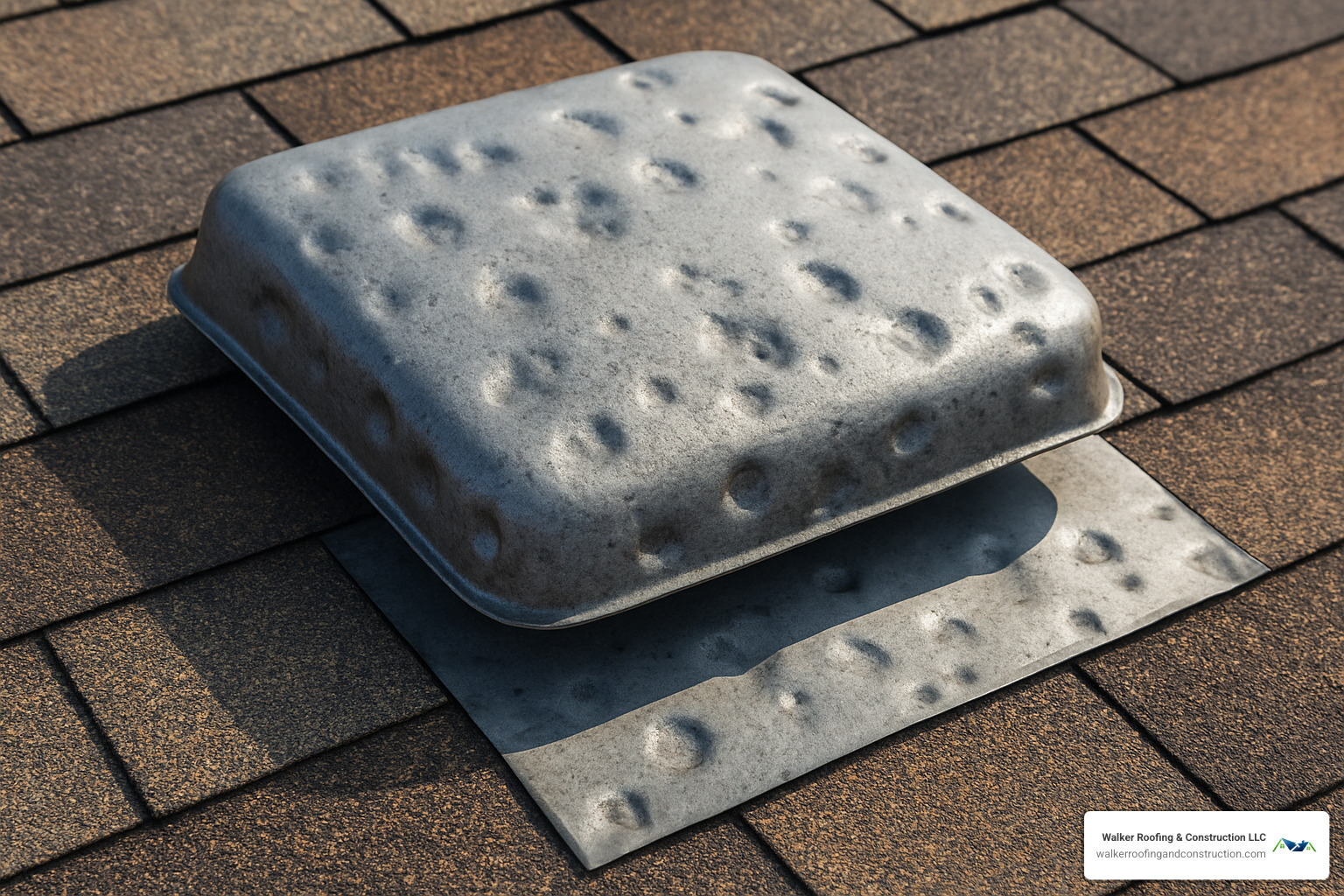
Most policies include your roof under “dwelling coverage,” which protects against “covered perils.” Your insurance covers sudden, unexpected damage but draws a hard line at problems that develop slowly or could have been prevented.
Covered Roof Damage: Wind, Hail, Fire & More
Wind and storms that rip off shingles, hail damage, fire and lightning strikes, falling objects like tree limbs, and snow and ice damage including ice dams are typically covered. When covered damage occurs, your policy often pays for interior damage caused by water intrusion too.
Damage NOT Covered: Wear, Neglect, Workmanship
Normal wear and tear is your responsibility. Neglect and poor maintenance will get claims denied – like damage from clogged gutters you never cleaned. Poor workmanship isn’t covered either, which is why choosing certified installers matters.
Actual Cash Value vs Replacement Cost Value
| Coverage Type | What It Pays | Example Scenario |
|---|---|---|
| Replacement Cost Value (RCV) | Full replacement cost minus deductible | $15,000 roof – $1,000 deductible = $14,000 payout |
| Actual Cash Value (ACV) | Replacement cost minus depreciation and deductible | $15,000 roof – $5,000 depreciation – $1,000 deductible = $9,000 payout |
With RCV policies, insurers send an initial check, then hold back depreciation until you complete work. ACV policies factor in your roof’s age, potentially leaving you thousands short.
Deductibles & Rate Impacts
Standard deductibles are typically $1,000, though some carriers have separate, higher deductibles for wind and hail claims. Multiple claims within five years will increase premiums.
Step-by-Step Insurance Claim Roof Repairs Process
The insurance claim roof repairs process follows a predictable pattern. Knowing what to expect helps you steer each step with confidence.
Who to Call First: Roofer vs Insurer
Call a professional roofer before filing your insurance claim. A qualified contractor can assess whether you have claimable damage worth pursuing and help you avoid filing claims for normal wear and tear that won’t be covered.
Must-Have Evidence
Take timestamped photos from every angle, including close-ups of damage and wide shots of affected areas. Check the NOAA Storm Site to confirm severe weather occurred on your loss date. Keep every receipt for emergency repairs and expenses.
Filing Within 365 Days
Ohio gives you 365 days from the damage date to file. Most insurers offer online portals, phone hotlines, or mobile apps for filing. You’ll receive a claim number and adjuster assignment within days.
Temporary Repairs
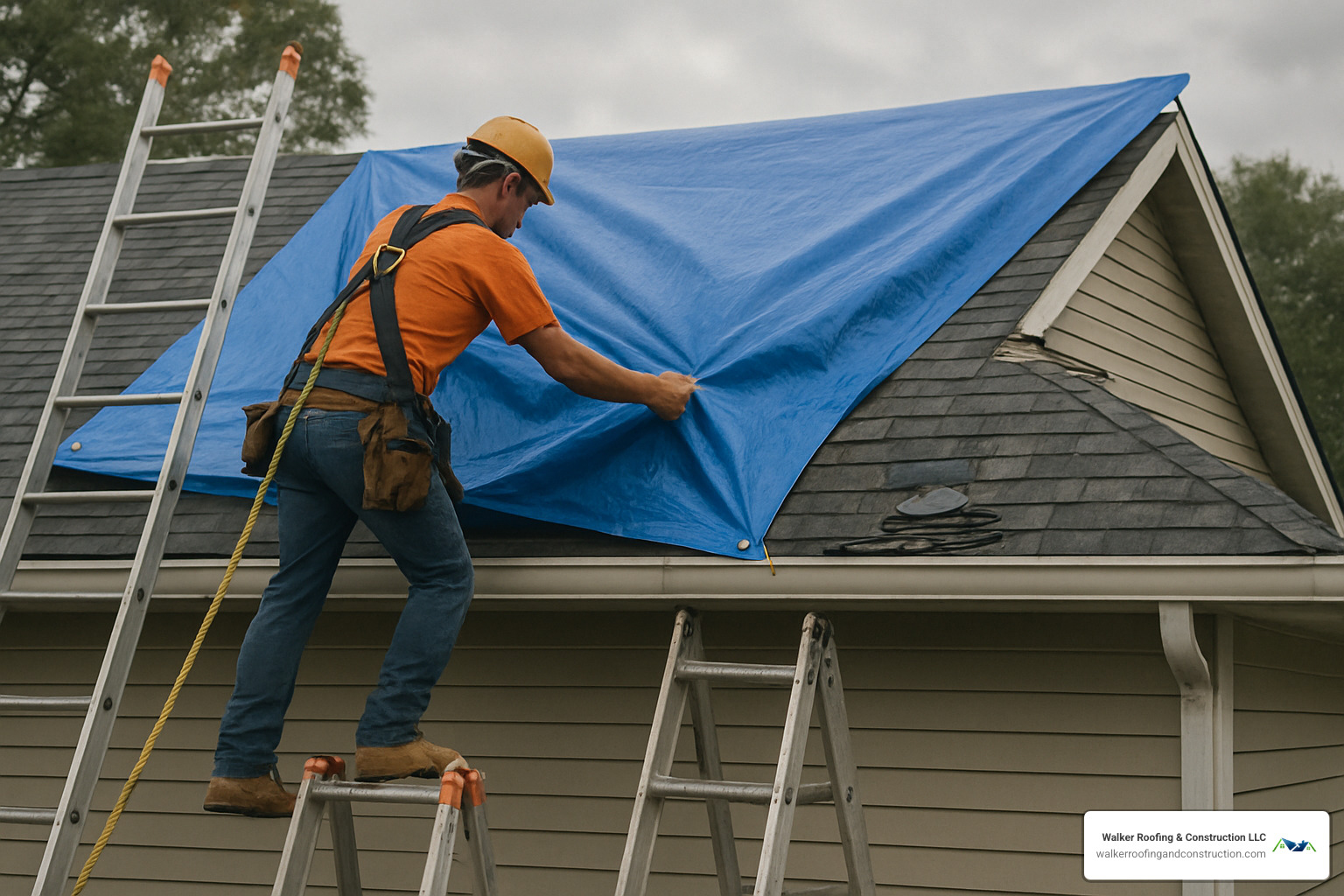
You’re required to prevent additional damage. Tarp damaged areas and board up openings. Insurers will reimburse these emergency expenses, so keep receipts. Avoid permanent repairs before the adjuster inspection.
Meeting the Adjuster
Having your chosen contractor present during the adjuster’s inspection is crucial. Experienced roofers can point out damage that might be missed and communicate effectively with adjusters using industry terminology.
After Approval: Payment Process
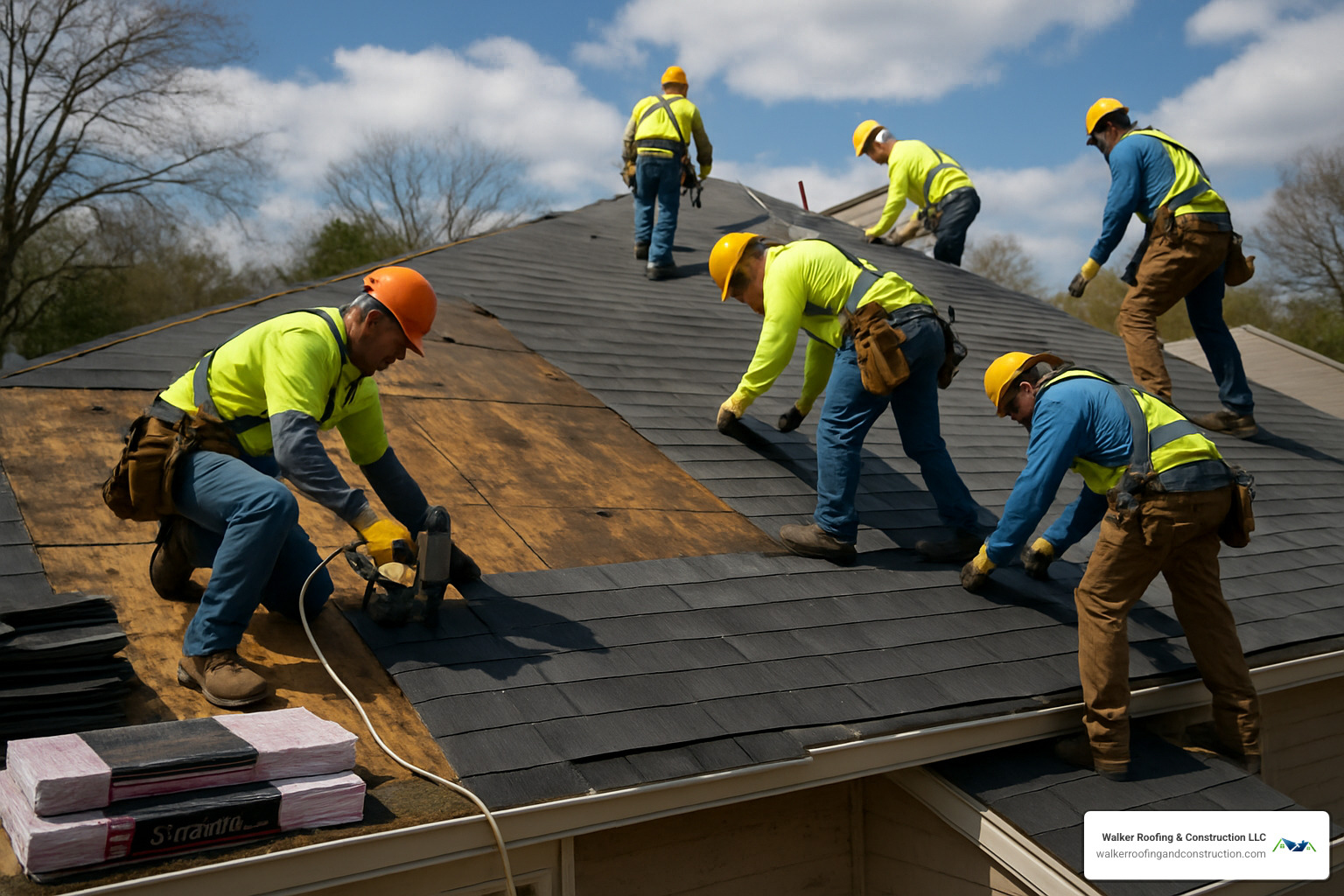
Insurers send an initial check minus your deductible. With RCV coverage, they hold back depreciation until you complete work and submit invoices. The final payment releases held depreciation and closes your claim.
If Your Claim Gets Denied
Request a re-inspection with a different adjuster. Consider hiring a public adjuster (10-15% fee) or using your policy’s appraisal clause for dispute resolution.
Pro Tips to Maximize Success
Annual professional inspections create documentation proving proper maintenance. Choose Replacement Cost Value coverage over Actual Cash Value when possible. Avoid filing minor claims below your deductible – they still count against your record. Work with experienced contractors who understand insurance processes. For detailed guidance, check out Steps to Take After a Storm Damages Your Roof in Mentor.
Conclusion
When storm damage strikes your roof, knowing how insurance claim roof repairs work can save you thousands of dollars and countless hours of frustration. The process might seem complicated at first, but with the right knowledge and professional support, you can confidently steer claims and get your home properly restored.
The most important thing to remember? You’re not alone in this process. Every year, thousands of Northeast Ohio homeowners successfully file insurance claims and get their roofs repaired or replaced. The key is understanding your coverage, documenting everything properly, and working with experienced professionals who know the ins and outs of the insurance world.
Walker Roofing & Construction LLC has spent over 20 years helping homeowners turn insurance claims from stressful ordeals into successful outcomes. As certified CertainTeed Master Shingle Installers, they bring both technical expertise and deep insurance knowledge to every project.
Their approach goes beyond just fixing your roof. They provide expert insurance claims assistance from the initial damage assessment all the way through final payment. This means you get someone in your corner who understands how to document damage properly and can identify issues that adjusters might miss.
Successful insurance claim roof repairs start with preparation and end with quality workmanship. When the next storm hits, you’ll be ready to protect both your home and your wallet.