Understanding What Home Insurance Covers for Roof Damage
Your roof is your home’s first line of defense. After a severe Northeast Ohio storm, seeing loose shingles in your yard or a new water stain on your ceiling is alarming. The first question is, will my home insurance cover roof damage? The answer is typically yes, but with important caveats. Standard home insurance is designed to protect you from unexpected disasters, not to pay for routine upkeep. This means coverage applies only to damage from sudden, accidental events like storms, hail, or falling trees.
What’s typically covered:
- Wind and hail damage from storms
- Fire damage (including lightning strikes)
- Fallen tree damage
- Vandalism or malicious acts
- Snow and ice damage (from weight, not gradual melting)
What’s typically NOT covered:
- Normal wear and tear
- Poor maintenance or neglect
- Gradual leaks or aging
- Pest or rodent damage
- Flooding (requires separate coverage)
- Earthquake damage
The key distinction your insurer makes is between sudden and accidental damage versus gradual and preventable issues. If a powerful windstorm rips a section of shingles off your roof, that’s a sudden event, and you’re likely covered. However, if your 20-year-old roof starts leaking because the shingles are brittle and worn out from decades of sun exposure, that’s a maintenance issue, and you’re probably not covered for a replacement.
Your specific coverage depends on your roof’s age, the materials it’s made from, your policy type (Replacement Cost Value vs. Actual Cash Value), the cause of damage, and your deductible amount. With roof replacements costing $8,500 to $24,000 or more, understanding your policy isn’t just helpful—it’s financially critical. Navigating the claims process can feel overwhelming, but knowing what to expect can empower you to get the settlement you deserve.

Important home insurance cover roof damage terms:
Navigating Your Policy: How Home Insurance Covers Roof Damage and the Claims Process
A water stain on your ceiling after a storm immediately brings your policy to mind. Fortunately, when home insurance cover roof damage is needed, your dwelling coverage is your safety net.

Dwelling coverage protects your home’s physical structure, including the roof. It activates when damage is caused by a covered peril (an event like a storm). Most policies are “open peril,” meaning everything is covered unless specifically excluded. Before your insurance pays, you’ll cover the deductible, typically $500 to $2,000. Your policy limits are the maximum your insurer will pay, so ensuring your coverage reflects your home’s true replacement cost is essential. The Insurance Information Institute on deductibles offers more detail on this topic.
Filing a claim might seem straightforward, but knowing the right steps can mean the difference between a smooth process and a frustrating maze.
Covered vs. Excluded Damage: The Fine Print in Your Policy
Let’s decode what your home insurance cover roof damage policy actually covers—and what it doesn’t.
What’s Usually Covered (Sudden & Accidental Damage)
- Wind, Hail, & Storms: Damage from high winds, tornadoes, or hail that cracks or punctures shingles is typically covered.
- Fallen Trees & Debris: When storms cause trees or other objects to hit your roof, insurance generally covers removal and repairs.
- Fire & Lightning: Damage from fire is almost always covered.
- Weight of Snow & Ice: Damage from the sheer weight of snow or ice is usually covered. However, damage from ice dams—ridges of ice that form at the edge of a roof—can be complex. While the policy may cover the resulting water damage to your home’s interior, it might not cover removing the ice dam or repairing the roof section that allowed it to form if poor insulation or ventilation was a contributing factor.
What’s Usually NOT Covered (Gradual & Preventable Issues)
- Wear, Tear, & Age: An old roof failing due to age is considered routine maintenance, not a covered loss.
- Neglect & Poor Maintenance: Insurers will deny claims if damage results from issues like clogged gutters or ignored leaks. Gradual damage that you could have prevented is not covered.
- Pests, Flooding, & Earthquakes: Damage from termites or rodents is your responsibility. Flooding and earthquakes require separate, specialized insurance policies.
For a comprehensive look at commonly excluded perils, check out this helpful resource on Common perils a policy doesn’t cover.
Key Factors That Affect How Home Insurance Covers Roof Damage
Several factors can dramatically impact your payout.
Your roof’s age is a major factor. Insurers view older roofs as higher risk. Roofs under 10 years old usually get full coverage, while those over 20 may only be eligible for ACV coverage or have higher deductibles. Roof materials also matter. Standard asphalt shingles cost $10,000-$24,000 to replace. More durable materials like metal or slate may earn you insurance discounts due to their resistance to wind and fire, though their high replacement cost (up to $70,000 for slate) means your dwelling coverage limit must be adequate.
The most critical factor is your policy type: Actual Cash Value (ACV) vs. Replacement Cost Value (RCV).
Actual Cash Value (ACV) pays the replacement cost minus depreciation. If your 20-year-old roof gets damaged, ACV might only pay for a fraction of a new one.
Replacement Cost Value (RCV) pays the full cost to replace your roof with similar new materials, without deducting for depreciation.
| Feature | Actual Cash Value (ACV) | Replacement Cost Value (RCV) |
|---|---|---|
| Payout | Repair/replacement cost minus depreciation | Full cost of repair/replacement, no depreciation |
| Consideration | Age, wear and tear of the damaged item | Cost to rebuild/replace with new materials |
| Premium | Lower | Higher |
| Benefit | More affordable upfront | Full financial protection for replacement |
| Risk | Significant out-of-pocket costs for older items | Less out-of-pocket, but higher premiums |
Understanding which coverage you have can mean the difference between a manageable repair bill and a financial shock. For example, if a storm destroys your 15-year-old roof that costs $20,000 to replace, an RCV policy pays the full $20,000 (minus deductible). An ACV policy subtracts for depreciation, potentially paying only $10,000 and leaving you with a huge out-of-pocket expense.
The Step-by-Step Guide to Filing a Roof Damage Insurance Claim
When storm damage hits, follow these steps for a manageable claims process.
Step 1: Document Everything with Photos
As soon as it’s safe, take detailed photos of all damage, inside and out. Note the date and time. This is your most powerful evidence.
Step 2: Contact Your Insurance Company Immediately
Call your insurer promptly to start the process and get a claim number. Waiting can complicate your claim.
Step 3: Get a Professional Roof Inspection
Have a trusted roofer, like Walker Roofing & Construction LLC, inspect the damage. They can identify issues an adjuster might miss and can be present during the adjuster’s visit.
Step 4: Make Temporary Repairs (Keep Those Receipts!)
Prevent further damage by making temporary fixes, like tarping the roof. Your policy should cover these costs, so save all receipts.
Step 5: Collect Multiple Estimates
Get detailed estimates from reputable roofing contractors to establish a fair market value for the repairs.
Step 6: Review and Negotiate if Needed
Compare your contractor’s estimate with the insurer’s. If there’s a gap, your roofer can help explain the discrepancies to your insurer to ensure a fair settlement.
For more detailed guidance, check out More on Insurance Claim Roof Repairs. If you’re unsure about damage, these Key Signs You Need Storm Damage Roof Repair can help.
Proactive Steps: Prevention, Denials, and Professional Help
An ounce of prevention is worth a pound of cure, especially for your roof. While you can’t control Northeast Ohio weather, proactive maintenance can prevent damage, keep premiums down, and strengthen your position if you ever need to file a claim.
Even well-maintained roofs can face claim denials. Understanding why claims are denied and having the right professional team is your secret weapon when home insurance cover roof damage becomes your reality.
Why a Roof Damage Insurance Claim Might Be Denied and What to Do
Understanding why claims get denied can help you avoid these pitfalls or fight back when it happens.
Common Reasons for Claim Denials:
- Improper Installation or Pre-existing Damage: If the roof was faulty to begin with or already damaged, insurers may deny the claim.
- Lack of Maintenance: Damage from neglect (e.g., clogged gutters) is not covered.
- Late Filing: Most policies have a 1-2 year filing deadline.
- Cosmetic Damage Only: Some policies exclude minor, cosmetic dings that don’t affect the roof’s function.
What to Do If Your Claim is Denied:
Don’t accept a denial at face value. First, request a detailed written explanation for the denial, referencing specific parts of your policy. Gather more evidence, including your own photos and a second opinion from a trusted contractor who can provide a competing estimate and report. You can request a second adjuster from your insurance company or hire an independent public adjuster who works for you, not the insurer, to reassess the damage. For complex or high-value claims, consulting an insurance lawyer may be necessary. Throughout the process, keep meticulous records of all communications. For Ohio-specific guidance, see this Guide: Storm Damage Insurance Rights in Ohio.
Smart Roof Maintenance to Prevent Damage and Potentially Lower Premiums
A well-maintained roof is less risky to insure, which can help your premiums.
- Regular Inspections: Twice a year (spring and fall) and after major storms, inspect your roof from the ground with binoculars. Look for missing, cracked, or curled shingles.
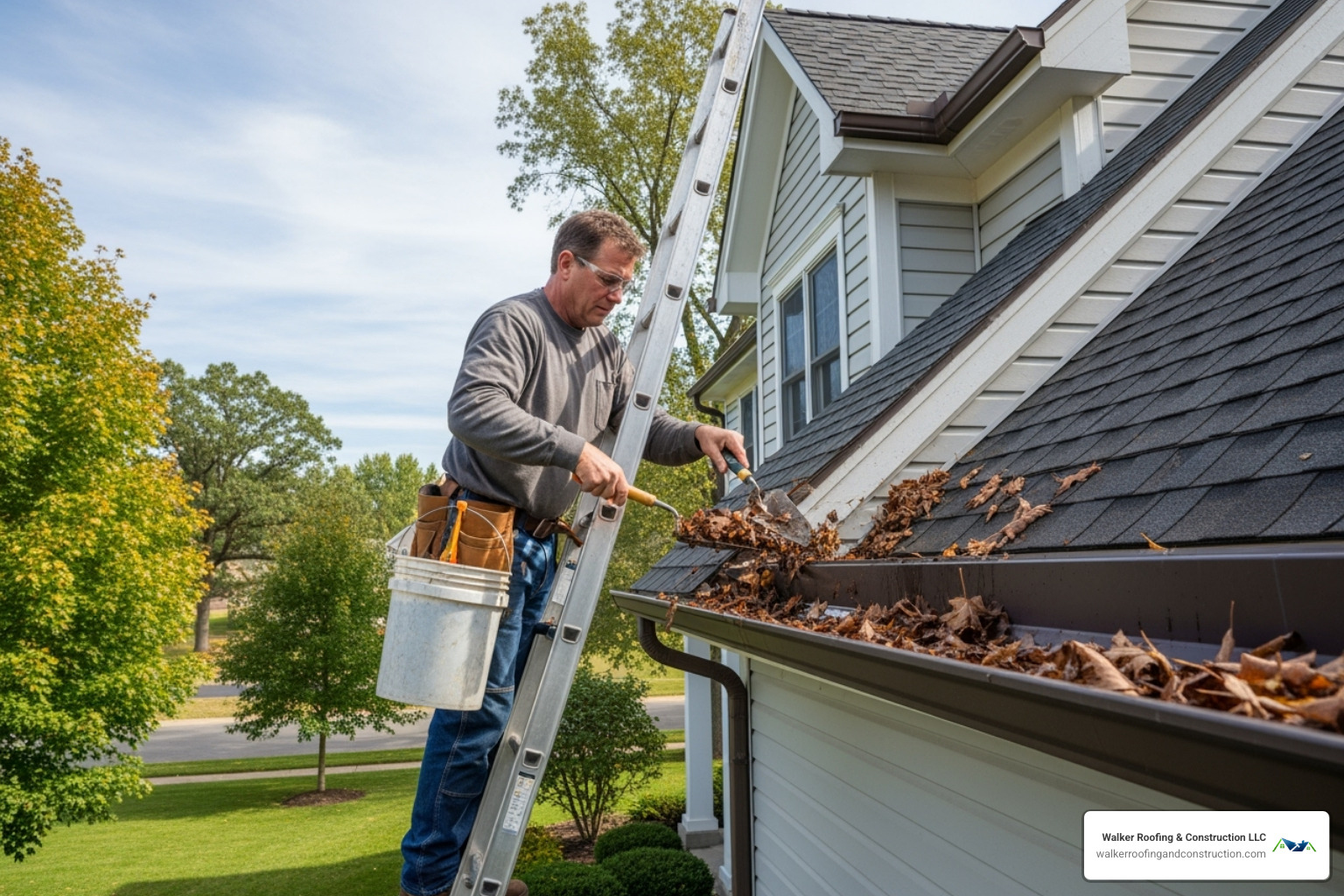
- Clean Gutters: Clogged gutters cause water to back up, leading to rot and ice dams. Keep them clear.
- Trim Trees: Cut back overhanging branches to prevent scratching and impact damage during storms.
- Check Attic Ventilation: Proper ventilation prevents heat and moisture buildup that can destroy your roof deck.
Installing a new, durable roof can sometimes lower your insurance costs. Conversely, filing multiple claims can raise your premiums. Learn more about protecting your investment with these Common Questions About Roof Warranties.
Partnering with an Expert for Your Storm Damage Repair
When your roof is damaged, you need a partner who understands both roofing and the insurance process.
Why Choose a Local, Vetted Contractor?
Avoid “storm chasers”—out-of-state companies that disappear after the work is done. A local contractor like Walker Roofing & Construction LLC is accountable to the community and understands Northeast Ohio’s building codes. Always vet credentials. Walker Roofing & Construction LLC has over 20 years of experience and is a certified CertainTeed Master Shingle Installer, ensuring quality work.
The Value of Expert Insurance Claim Assistance
A contractor specializing in insurance claims is an invaluable asset. They provide:
- Detailed Damage Evaluations: To ensure nothing is missed.
- Insurance Estimate Reviews: To catch missing items and ensure code compliance.
- Adjuster Meeting Support: To provide technical details and advocate for an accurate scope of work.
Workmanship Guarantees for Peace of Mind
A strong workmanship guarantee protects your investment. Walker Roofing & Construction LLC offers a 10-year guarantee, standing behind their installation. This provides long-term security and leverage against future claim denials related to installation quality.
Don’t steer storm damage alone. The right contractor makes the difference. For comprehensive storm damage assistance, Get help with your Storm Damage Repair Services.