Navigating the Insurance Maze: Roof Replacement Reality
When your roof is damaged, that pit in your stomach isn’t just from seeing your home exposed to the elements—it’s also the dread of potential costs. The burning question on your mind: can you claim a new roof on home insurance?
The short answer is yes—but with several important conditions. Let me break it down for you:
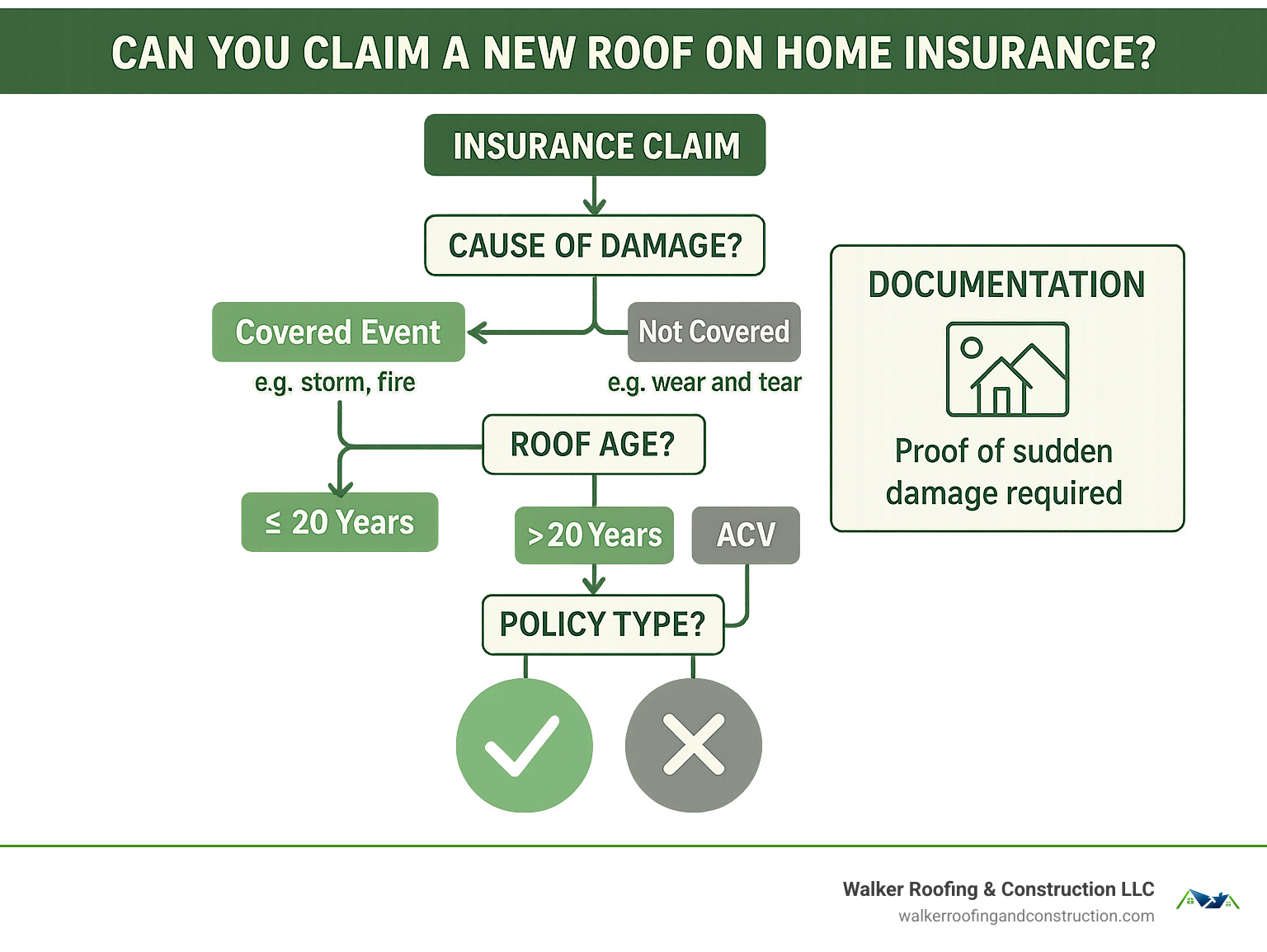
| Can You Claim a New Roof? | Typical Coverage |
|---|---|
| ✅ Covered Events | Storm damage (wind, hail), falling trees, fire, sudden accidents |
| ❌ Not Covered | Normal wear and tear, neglect, age-related deterioration, cosmetic damage |
| 🔍 Key Factors | Roof age, policy type (ACV vs RCV), proof of sudden damage |
I’ve seen the panic in homeowners’ eyes after a severe Northeast Ohio storm leaves shingles scattered across their yard. That panic makes perfect sense when you consider the average roof replacement runs about $9,480—hardly pocket change for most families.
Here’s the reality: your homeowners insurance isn’t a maintenance plan for an aging roof. Think of it more as protection against life’s curveballs—those sudden, unexpected events that nobody plans for.
The good news? Most standard policies cover damage from specific perils like fierce winds, punishing hail, destructive fires, or that massive oak tree that finally lost its battle with gravity. The not-so-good news? Insurance companies have grown increasingly cautious about roof claims, particularly for roofs showing their age.
As one insurance adjuster once told me with surprising candor: “Insurance is NOT a maintenance plan; using claims for routine replacement drives up premiums for everyone.” Harsh, perhaps, but honest.
Before disaster strikes, understanding these four crucial factors can save you thousands:
Roof age matters – Most insurers view roofs over 20 years old with skepticism, often limiting coverage or denying claims outright.
Policy type determines payout – The difference between Actual Cash Value (ACV) and Replacement Cost Value (RCV) can mean thousands of dollars out of your pocket.
Documentation is critical – Clear photos before and after damage, along with professional assessments, can make or break your claim.
Maintenance history counts – That gutter you’ve been meaning to clean for three years? That neglect could give your insurer grounds to deny your claim.
In this guide, I’ll walk you through the sometimes confusing world of roof insurance claims, help you decode your policy’s fine print, and show you practical steps to maximize your chances of approval.
Why This Guide Matters
Your roof is quietly protecting everything you value, yet most homeowners don’t realize that the typical asphalt shingle roof only lasts 15 to 18 years—often less than the mortgage on the home it covers. When replacement time comes, that $9,480 average cost can feel like a financial punch to the gut.
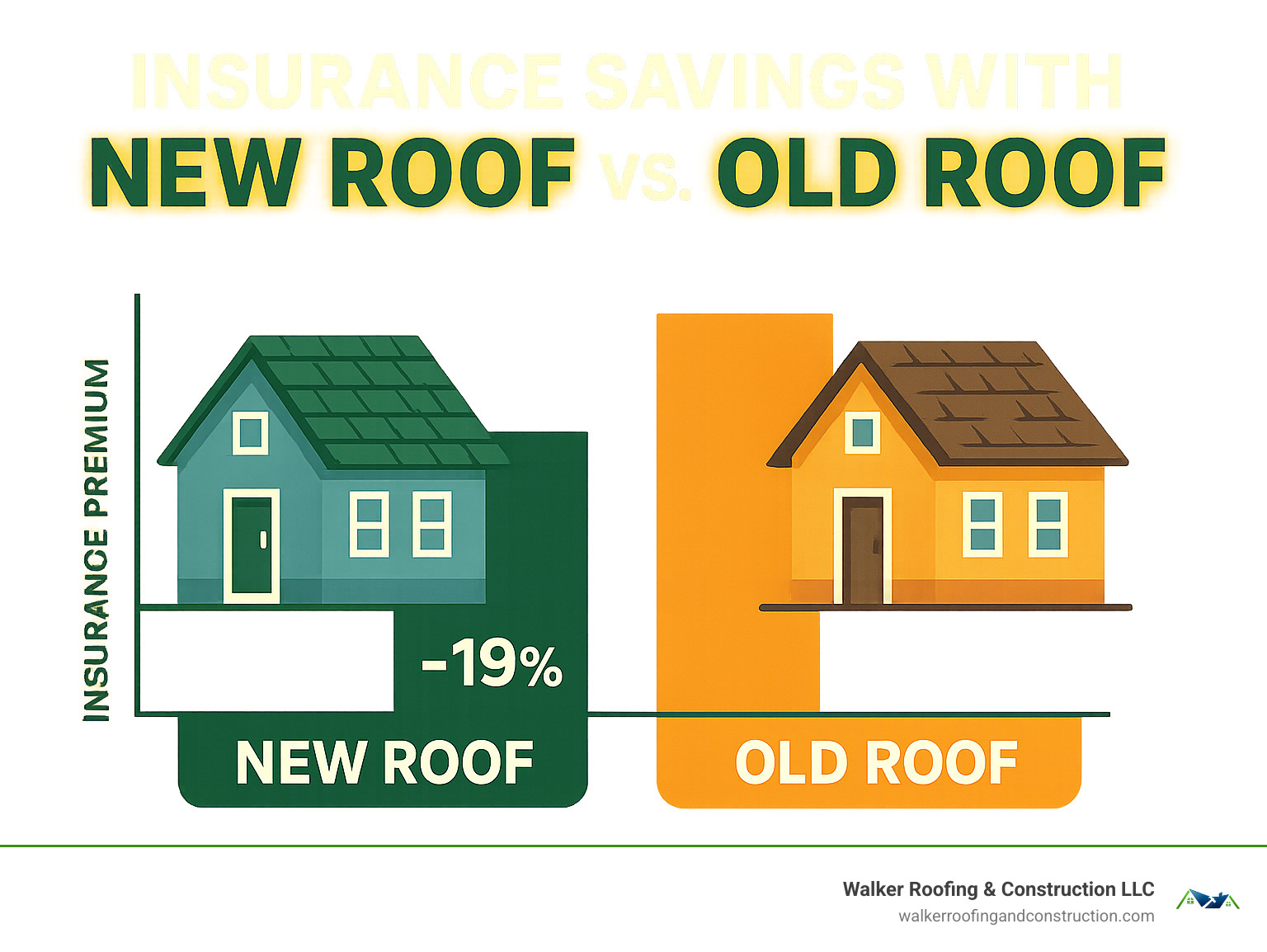
Here’s something that might surprise you: a new roof can actually save you money over time. Homeowners with freshly installed roofs pay approximately 19% less on their insurance premiums compared to those with 20-year-old roofs. Insurance companies aren’t being generous—they simply recognize that newer roofs are less likely to fail and cause cascading damage to the rest of your home.
What You’ll Learn
Think of this guide as your roof claim roadmap. I’ll walk you through:
The specific perils typically covered by homeowners insurance (and those that aren’t)
The critical—and often misunderstood—difference between Actual Cash Value (ACV) and Replacement Cost Value (RCV) policies
A practical, step-by-step approach to filing and successfully navigating a roof claim
The sometimes mysterious methods insurance adjusters use to evaluate and calculate claim amounts
How to spot common roofing scams (especially after storms) and select a trustworthy roofing contractor who won’t disappear after cashing your check
With over two decades helping Mentor homeowners steer insurance claims, we’ve seen it all at Walker Roofing & Construction. Let me share what we’ve learned so you can avoid the pitfalls and get the coverage you deserve.
Can You Claim a New Roof on Home Insurance?
The answer to “can you claim a new roof on home insurance” isn’t as straightforward as we’d all like. It’s more of a “it depends” situation that hinges on several key factors:
- What actually caused the damage
- Your roof’s current age
- The specific coverage in your policy
- How well you’ve maintained your roof over the years
As Bill Ragan, a roofing expert with over 30 years in the business, puts it: “Yes, insurance will pay for a new roof under the right circumstances.”
Those “right circumstances” are spelled out in your policy’s fine print – the covered perils, your roof’s condition before the damage, and the specifics of your insurance contract. Understanding your policy’s exclusions and your roof’s depreciation schedule is crucial before storm season hits.
When “can you claim a new roof on home insurance” Is a YES
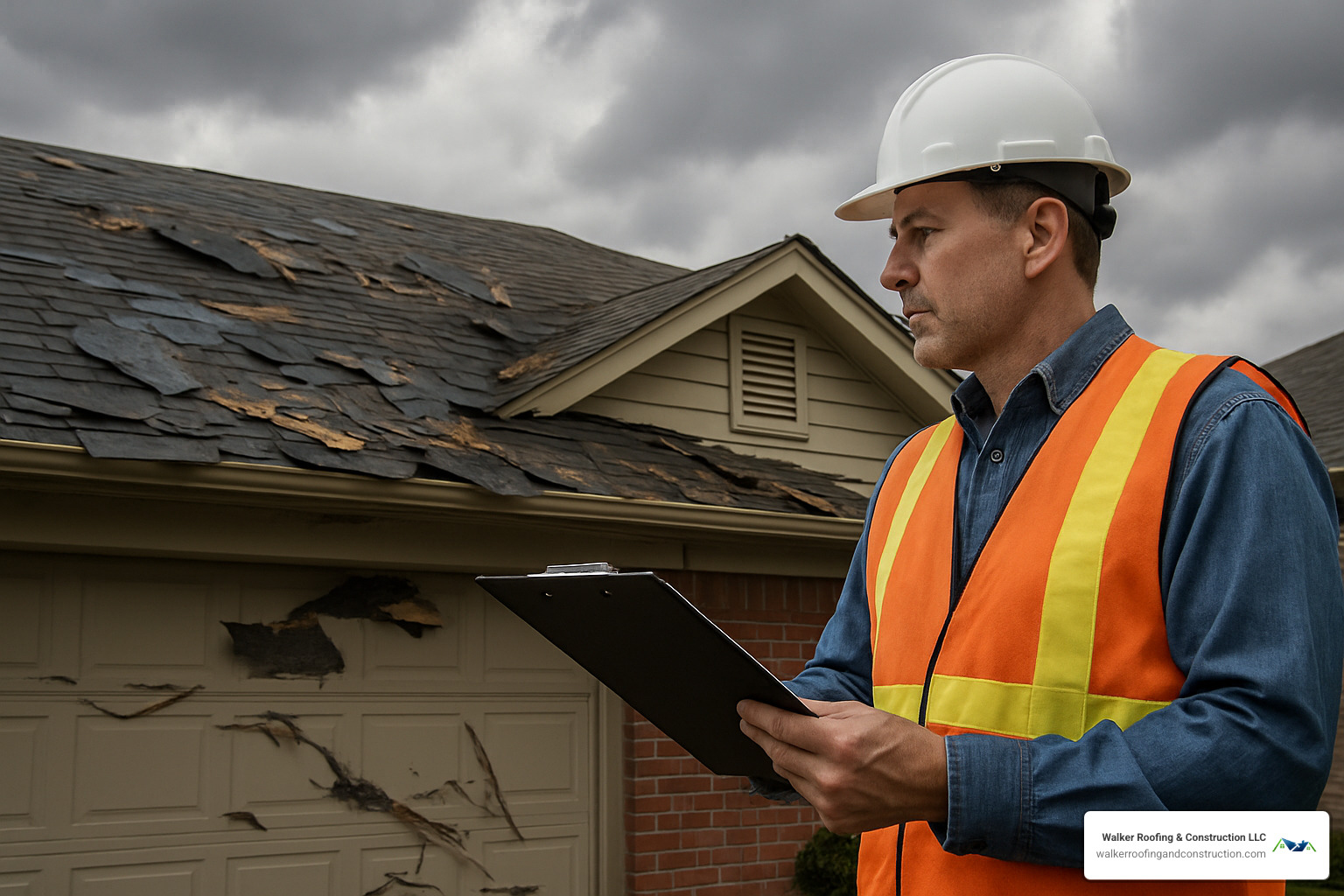
Good news! Your homeowners insurance typically covers roof replacement when damage comes from sudden, unexpected events like:
Wind and hail damage – Here in Northeast Ohio, these are the most common culprits for roof claims, especially during our severe thunderstorms.
Fire and smoke – If your roof suffers fire damage, insurance companies usually cover complete replacement.
Falling objects – That massive oak tree or heavy branch that crashes onto your roof during a storm is typically covered.
Weight of ice and snow – Particularly relevant during our brutal Ohio winters when ice dams and snow loads can wreak havoc.
Lightning strikes – Both direct hits and the resulting power surge damage.
Vandalism – Though less common for roofs, still covered under standard policies.
The magic words here are “sudden” and “accidental.” As one insurance expert explained to me: “Your home insurance policy is designed for sudden, accidental losses — not general repairs.”
Documentation is your best friend. Take photos immediately after the event, note timestamps that correlate with weather reports, and get a professional inspection. These steps can dramatically strengthen your claim.
For more information about your rights regarding storm damage, check out our guide to storm damage insurance rights in Ohio.
When “can you claim a new roof on home insurance” Is a NO
Unfortunately, insurance companies typically won’t open their checkbooks when:
Normal wear and tear has simply caught up with your roof. Insurance isn’t a maintenance plan – it’s protection against unexpected events.
Neglect or poor maintenance led to the damage. Those gutters you never cleaned? That small leak you ignored? Insurance adjusters are trained to spot these issues.
Cosmetic damage only affects your roof. Those slight hail dings that don’t impact functionality won’t qualify for replacement.
Pre-existing damage was there before you purchased your policy. Insurance companies won’t cover problems that existed before your coverage began.
Your roof is over 20 years old. Many insurers simply won’t cover very old roofs or will only pay a fraction of replacement costs.
Insurance adjuster John Davis puts it bluntly: “We’re looking for sudden, accidental damage from a covered peril. If we see moss growth, clogged gutters, or signs of long-term neglect, that claim is likely to be denied.”
How Roof Age & Material Tip the Scales
Your roof’s age and material dramatically impact both your coverage eligibility and potential payout:
Asphalt shingle roofs typically last 15-18 years. These are the most common roofs in our area and, not surprisingly, the most likely to need replacement during your homeownership.
Metal roofs can last 50+ years. Their longer lifespan means less risk for insurers, often resulting in welcome premium discounts.
Slate, tile, or concrete roofs also last 50+ years. These premium materials come with extended lifespans that insurance companies appreciate.
Many insurance companies now send inspectors after you purchase a policy to verify your roof’s condition. If they find it’s older or in worse shape than reported, they may require repairs or limit your coverage.
The financial impact of roof age is substantial:
| Roof Age | Average Annual Premium | Increase vs. New Roof |
|---|---|---|
| New | $2,211 | – |
| 5 years | $2,338 | 6% |
| 10 years | $2,474 | 12% |
| 15 years | $2,564 | 16% |
| 20 years | $2,624 | 19% |
This table shows why insurers care so much about your roof’s age—it directly correlates with how likely you are to file a claim and how much that claim might cost them.
Understanding the difference between Actual Cash Value (ACV) and Replacement Cost Value (RCV) is also crucial. With an ACV policy, you’ll receive the depreciated value of your roof minus your deductible. With RCV, you’ll get the full replacement cost (after meeting your deductible). The difference can be thousands of dollars out of your pocket.
At Walker Roofing & Construction, we’ve helped hundreds of Northeast Ohio homeowners steer the complex insurance claim process. Whether you’re wondering about your coverage or need more information about roof replacement, we’re here to help you understand your options.
The Claim Process & Payout Math Explained
When storm damage strikes your roof in Mentor or elsewhere in Northeast Ohio, understanding the claim process can make the difference between a full replacement and a partial payout.

Most policies give you a limited window to file claims—typically within one year of the damage, though this varies by insurer. The clock starts ticking when the damage happens, not when you find it. That’s why regular roof inspections are so important, especially after major storms.
Step-by-Step: Filing & Following Through
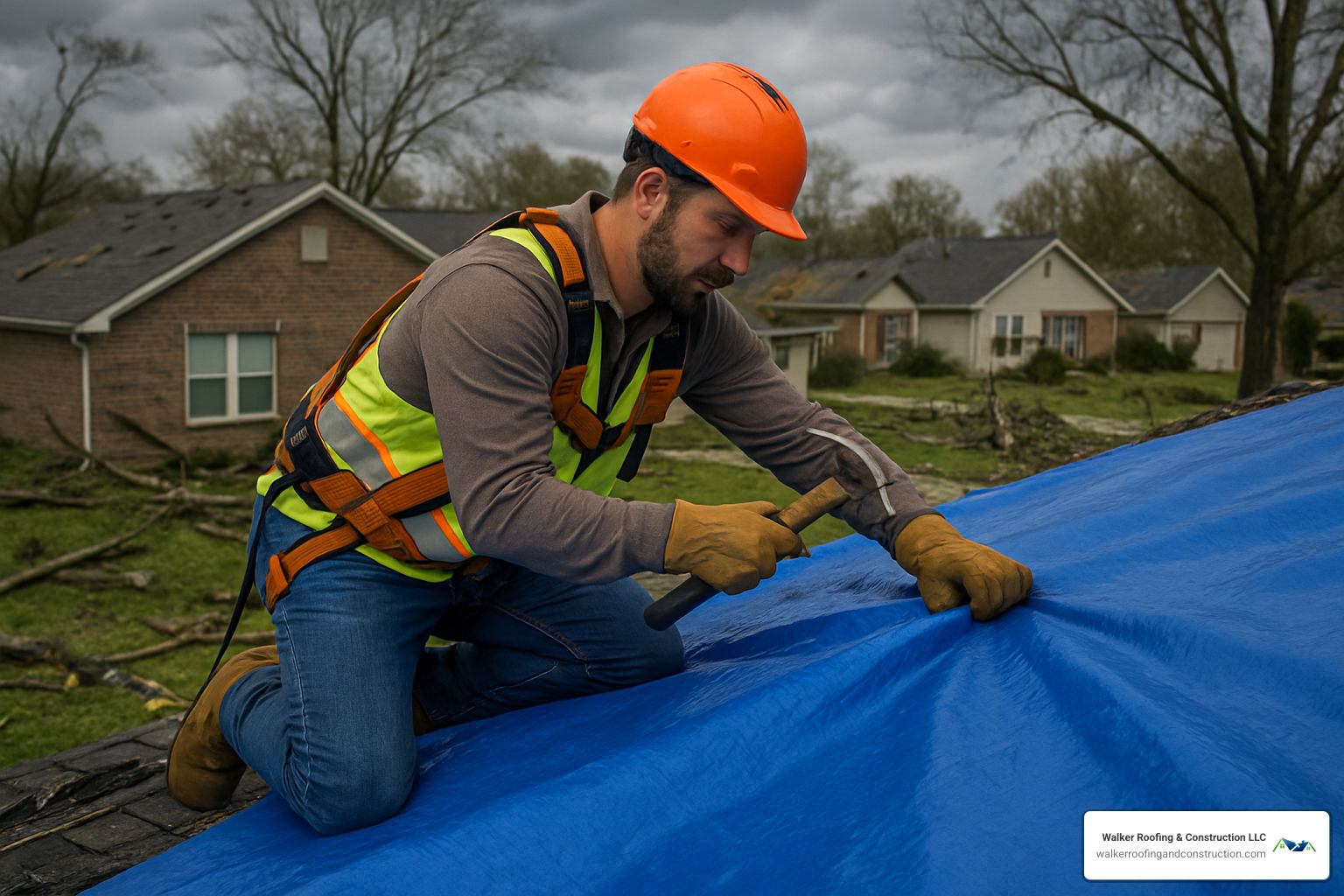
First things first: if your roof is actively leaking, take reasonable steps to prevent further damage. Cover holes with tarps and save all receipts.
“Those emergency repair costs are usually reimbursable under your claim,” explains Shannon Miller, our insurance claims specialist at Walker Roofing & Construction LLC. “Just make sure you’re only doing what’s necessary to prevent more damage, not starting the actual repairs.”
Before you touch anything else, grab your phone and document everything. Clear, dated photos of all damage are your best friends here. If possible, drone photography can provide those comprehensive roof views that really strengthen your case.
Next, call your insurance company to report the damage and get a claim number. This is also the time to ask about your coverage details, deductible, and what to expect next.
Before the insurance adjuster arrives, have a professional roofer conduct a thorough inspection. At Walker Roofing, we provide detailed written estimates that speak the insurance industry’s language.
When the adjuster visits, try to have your roofing contractor present. We’ve seen countless cases where adjusters miss significant damage that an experienced roofer can point out. This simple step can add thousands to your claim.
Once you receive the insurance estimate, compare it carefully with your contractor’s assessment. Discrepancies are common and may require some back-and-forth negotiation.
After approval, schedule the work and keep all documentation. When the job is complete, submit final paperwork to receive any remaining payments, which is especially important for Replacement Cost Value policies.
For more guidance, check out our detailed Steps to Take After a Storm Damages Your Roof in Mentor.
Document Like a Pro: Evidence & Forms
Insurance companies find pictures “very compelling,” and for good reason. Clear visual evidence is hard to dispute.
Start with before and after photos from multiple angles. Make sure your images have timestamps that correlate with known storm events. Weather data reports can be particularly persuasive when linked to specific damage patterns.
A professional inspection report carries significant weight. At Walker Roofing, our detailed assessments identify all damage using insurance-specific terminology that adjusters recognize and respect.
Don’t underestimate the power of maintenance records. Proof that you’ve properly cared for your roof can counter any claims that the damage resulted from neglect.
For even stronger documentation, consider drone photography for comprehensive views, video walkthroughs with narration, and even neighbor testimonials if multiple homes suffered similar damage. Local news reports of severe weather can also support your timeline.
Dollars & Sense: Deductibles, Depreciation, Hold-Backs
Let’s talk money—specifically, how insurance companies calculate what they’ll pay.
Your deductible is what you’ll pay out-of-pocket before insurance kicks in. In Northeast Ohio, standard deductibles typically range from $500-$2,500 as fixed amounts. Some policies, however, use percentage-based deductibles, especially for wind and hail damage. These might be 1-5% of your home’s insured value, which can be significantly higher than a standard fixed deductible.
Depreciation is where things get interesting. Insurance companies factor in your roof’s age when calculating payouts. With an Actual Cash Value (ACV) policy, you’ll only receive the depreciated value of your roof. But with a Replacement Cost Value (RCV) policy, you’ll get the full replacement cost—though typically in two installments.
Here’s a real-world example: For a 10-year-old roof that would cost $15,000 to replace new, an ACV policy might pay only $7,500 (after 50% depreciation) minus your $1,000 deductible, leaving you with just $6,500. An RCV policy would initially pay the same $6,500, but would add another $7,500 in “recoverable depreciation” after you complete the work.
This brings us to hold-backs. With RCV policies, insurers typically pay the ACV amount upfront (minus your deductible), then release the recoverable depreciation after you complete the work and submit final invoices. This two-step process catches many homeowners by surprise.
Adjuster Math vs Contractor Estimate
Ever wonder why your contractor’s estimate often differs from the insurance adjuster’s? Even though both might use the same software (Xactimate), the results can vary widely.
Adjusters may overlook necessary components like ice and water shield or upgraded underlayment. They might miss code upgrades required by local building departments. Sometimes they calculate using basic materials when your existing roof used premium products. And regional differences in labor rates can further widen the gap.
If your adjuster’s estimate falls short, don’t panic. You can request a “supplement”—an additional payment for items missed in the initial assessment. This is where having a knowledgeable contractor like Walker Roofing & Construction LLC becomes invaluable. We understand the insurance language and can help identify and document missing items.
Sometimes, you may need to invoke your policy’s appraisal clause if there’s a significant disagreement about the claim amount. This involves a third-party review that can resolve disputes without litigation.
For a deeper dive into roof insurance coverage, check out this homeowners insurance roof replacement guide.
The claim process isn’t always smooth sailing, but with proper documentation and professional guidance, you can steer these waters successfully. Can you claim a new roof on home insurance? Yes, but knowing the process makes all the difference.
Pitfalls, Scams & Prevention
The roof insurance claim process is ripe for potential pitfalls and scams. Being aware of these can save you thousands of dollars and significant headaches.

Red Flags: “We’ll Pay Your Deductible” & Other Myths
After a major storm, your neighborhood might suddenly fill with roofing company trucks you’ve never seen before. Be cautious – not everyone has your best interests at heart.
Perhaps the most dangerous scam is the “deductible waiver” offer. You might hear something like, “Don’t worry about that $1,000 deductible – we’ll handle it for you!” This should immediately set off alarm bells.
“It’s illegal for a contractor to pay any part of your deductible,” warns John Bert, a roofing industry veteran. This practice isn’t just unethical – it’s insurance fraud that can lead to criminal charges against both you and the contractor. Your insurer might deny your claim entirely, cancel your policy, or even pursue legal action.
Those “too-good-to-be-true” offers often hide other problems too. Contractors who “waive” deductibles typically make up the difference by cutting corners on materials, using inexperienced labor, or inflating other costs on your claim.
Other warning signs include storm chasers (out-of-state companies that follow severe weather), high-pressure sales tactics (“sign today or lose this special price!”), and contractors asking you to sign over your insurance rights before work begins.
As one local homeowner learned the hard way: “The storm chaser gave us a great price, but when our roof started leaking six months later, their phone number was disconnected. We had no warranty, no recourse, and a bigger problem than before.”
Maintenance Moves That Save Claims
The best insurance claim is one you never have to file. Your roof needs regular TLC to stay in top shape and maintain your insurance coverage.
Regular gutter cleaning prevents water from backing up under your shingles. This simple maintenance task can prevent thousands in water damage. While you’re up there, check for loose or damaged shingles.
Trim those overhanging branches that scrape against your roof in the wind. Not only do they wear away your shingles’ protective granules, but they’re also potential missiles during Ohio’s notorious summer storms.
Attic inspections can catch problems before they become disasters. Look for water stains, mold, or daylight showing through. Proper attic ventilation extends your roof’s life by preventing heat and moisture buildup.
Professional inspections every 2-3 years can spot issues while they’re still small. At Walker Roofing & Construction LLC, we recommend scheduling a check-up after any severe weather event too.
“Your home insurance policy is designed for sudden, accidental losses — not general repairs,” reminds one insurance expert. When you file a claim, having documentation of your diligent maintenance can make all the difference between approval and denial.
For more information about protecting your investment, check out our Common Questions About Roof Warranties in Mentor.
Choosing a Reputable Local Roofer
When it comes to trusting someone with your roof replacement, local experience matters. Unlike here-today-gone-tomorrow storm chasers, established local companies have reputations to protect.
Look for proper licensing and insurance first. Ohio requires contractor registration, and legitimate companies carry both liability insurance and workers’ compensation. Don’t be shy about asking for proof – reputable contractors expect these questions.
Manufacturer certifications tell you a contractor has received specialized training. At Walker Roofing & Construction LLC, we’re proud CertainTeed Master Shingle Installers, which means we’ve met rigorous standards for installation excellence.
Check multiple sources for reviews and references. The BBB is a start, but also ask neighbors, check Google reviews, and request to see examples of similar projects.
Verify insurance expertise by asking how many insurance claims they’ve handled. Experienced contractors know how to document damage properly, communicate effectively with adjusters, and steer the supplement process when needed.
A local homeowner shared: “What impressed me about Walker Roofing wasn’t just their quality work – it was how they guided me through the insurance process, explaining everything in plain English instead of contractor-speak.”
For more information about choosing the right contractor for your project, visit our Roof Replacement page.
Immediate Actions After Damage
The minutes and hours after roof damage are critical. Taking the right steps can prevent further damage and strengthen your insurance claim.
Safety first! Stay out of areas with visible structural damage. Water and electricity don’t mix, so be cautious about entering rooms with wet electrical fixtures.
Minimize interior damage by placing buckets under active leaks and moving valuable items away from water. Quick action can save your belongings and prevent mold growth.
Document everything before you start cleanup. Take clear photos and videos of all damage, including close-ups and wide shots that show the context. These images are gold when filing your claim.
Apply temporary protection if it’s safe to do so. A properly secured tarp can prevent thousands in additional damage. Just be extremely careful on wet, damaged roofs – or better yet, call professionals for emergency tarping.
“The most common mistake homeowners make is waiting too long to address damage,” notes Connor Walker of Walker Roofing & Construction LLC. “Every hour of delay can lead to more extensive water damage and a potentially smaller insurance payout.”
If you’ve experienced storm damage, don’t wait – contact your insurance company right away, then call a professional roofer for an emergency inspection. At Walker Roofing & Construction LLC, we offer emergency services and can work directly with your insurance company to ensure your home is protected properly.
For immediate assistance with storm damage, visit our Storm Damage Repair page to learn more about our emergency services.
Frequently Asked Questions about Roof Insurance Claims
Does homeowners insurance always pay for full roof replacement?
The short answer is no. Insurance companies aren’t in the business of handing out free roofs to everyone who files a claim. Whether you get a complete roof replacement depends on several important factors.
First, your policy type matters enormously. If you have a Replacement Cost Value (RCV) policy, you’re much more likely to get full replacement than with an Actual Cash Value (ACV) policy. Think of RCV as the “deluxe package” when it comes to roof coverage.
Second, the extent of damage plays a crucial role. Many insurers follow what roofers call the “25-30% rule” – if less than a quarter of your roof is damaged, they’ll push for repairs instead of replacement. As one homeowner told us, “My adjuster initially approved only three patches until our contractor showed him that the shingles weren’t available anymore!”
Your roof’s age weighs heavily too. A 20-year-old roof will receive a much smaller payout due to depreciation than a 5-year-old roof with identical damage. And don’t forget your deductible – that’s coming out of your pocket regardless.
Finally, never underestimate adjuster discretion. As one insurance expert explains: “Insurance adjusters evaluate roof age and condition, cause of damage, roofing material, installation quality, and code compliance” when making their determination. A good adjuster can be your ally, while an inexperienced one might miss critical damage.
Will filing a roof claim raise my premium or risk non-renewal?
It might – and this is something many homeowners don’t realize until it’s too late.
Every claim you file gets recorded in something called the CLUE (Comprehensive Loss Underwriting Exchange) database, which insurers check when setting your rates. Think of it as your “insurance credit score” that follows you from company to company.
Claim frequency is the biggest red flag for insurers. Multiple claims within 3-5 years can dramatically increase your rates or even lead to non-renewal. One Northeast Ohio homeowner shared: “After our second hail claim in three years, our premium jumped by 32% at renewal.”
The type of claim matters too. Weather-related claims (like storm damage) generally impact rates less than non-weather claims like water damage from a leaking roof. This is because insurers see storm damage as outside your control, while they view maintenance issues as preventable.
The size of your claim and your location also factor in. Larger claims may trigger larger premium increases. And if your neighborhood has been hit hard by storms with multiple homeowners filing claims, rates may rise across the board regardless of your personal history.
“Filing a claim, even if denied, can be recorded and affect future underwriting decisions,” cautions an industry insider. That’s why it’s worth asking your agent hypothetically about potential premium impacts before officially filing.
What if my insurer’s payout is lower than the contractor quote?
This happens all the time – and you have several options when faced with this common dilemma.
Your best first step is usually to request a supplement. Have your contractor document additional necessary work that the adjuster missed. At Walker Roofing & Construction LLC, we regularly identify legitimate items that adjusters overlook, from proper ventilation requirements to ice-and-water shield installation.
If that doesn’t work, you can invoke the appraisal clause found in most policies. This formal dispute resolution process brings in independent evaluators, though it does come with some costs.
Sometimes direct negotiation works wonders. Insurance adjusters often have more flexibility than they initially let on, especially when presented with compelling evidence from a reputable contractor.
If all else fails, you might need to pay the difference yourself, finance the remainder through contractor payment plans, or choose less expensive materials to match the insurance payout.
“It’s rare that the first insurance estimate captures all needed repairs,” notes Shannon Miller, our insurance specialist at Walker Roofing & Construction LLC. “We’ve seen initial estimates come in $3,000-$5,000 below what’s actually needed to properly restore a roof to pre-loss condition.”
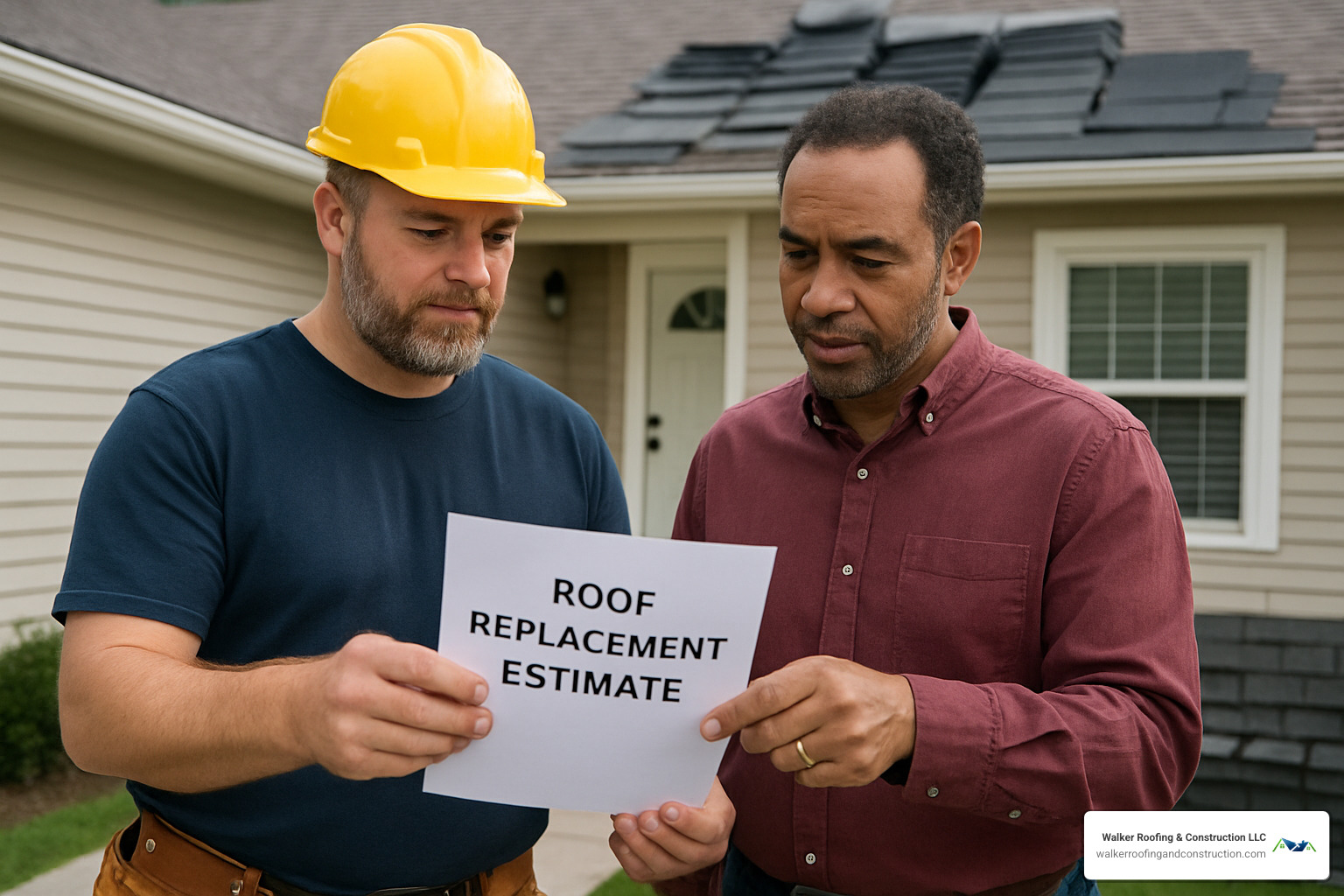
Working with a contractor who understands the insurance process can make all the difference. They speak the same language as adjusters and know exactly what documentation is needed to justify additional costs. This expertise often means the difference between settling for partial coverage and getting the complete roof replacement you deserve.
Conclusion
The journey to answer “can you claim a new roof on home insurance” isn’t always straightforward, but with the right approach, many Northeast Ohio homeowners successfully steer this challenging process.
Think of your roof as your home’s first line of defense against Ohio’s sometimes brutal weather. When storms strike, knowing how to work with your insurance company can mean the difference between paying thousands out-of-pocket or getting the coverage you deserve.
After helping hundreds of local homeowners through this process, we’ve learned what makes the difference between denied claims and brand-new roofs. Here’s what truly matters:
Document everything before it’s too late. Those smartphone photos you snap right after the storm might feel like overkill, but they could be worth thousands when your adjuster arrives. The homeowners who carefully capture evidence almost always fare better during claims.
Time is not on your side after roof damage. Most policies have strict reporting deadlines, and every day of delay can lead to secondary damage that might not be covered. We’ve seen too many homeowners miss out simply because they waited too long.
Know your policy type before you need it. That ACV vs. RCV distinction might seem like insurance jargon now, but it could mean a difference of thousands of dollars when claim time comes. Take a moment today to check your coverage.
Maintain your roof like your insurance depends on it—because it does. Those clogged gutters or overhanging branches aren’t just eyesores; they’re potential claim deniers. Simple seasonal maintenance protects both your home and your insurance eligibility.
Partner with professionals who understand the insurance game. At Walker Roofing & Construction LLC, we’ve spent over 20 years learning to speak “adjuster language” and documenting damage in ways that insurance companies respect.
Our team includes specialists who know exactly what adjusters look for and how to properly document storm damage. As CertainTeed Master Shingle Installers serving Mentor and surrounding communities, we stand behind our work with a 10-year workmanship guarantee that gives homeowners peace of mind long after the insurance process ends.
A quality roof replacement isn’t just about protecting your home today—it can save you up to 19% on future insurance premiums. That’s money back in your pocket year after year.
Has a recent storm left you wondering about potential roof damage? Don’t wait until leaks appear inside your home. Contact Walker Roofing & Construction LLC today for a free inspection and consultation. We proudly serve Mentor, Willoughby, Painesville, and all of Northeast Ohio with the expertise and integrity your home deserves.
More info about storm damage repair