Why Understanding Roof Replacement Insurance Coverage Matters
Can I claim roof replacement on insurance? Yes, you can claim roof replacement on insurance if your roof is damaged by a covered peril like storms, hail, wind, fire, or falling trees. However, insurance won’t cover replacement due to normal wear and tear, age, or poor maintenance.
Quick Answer – When Insurance Covers Roof Replacement:
- Storm damage (wind, hail, tornadoes)
- Fire or lightning strikes
- Falling objects (trees, debris)
- Water damage from covered events
- Vandalism or theft
When Insurance WON’T Cover Roof Replacement:
- Normal wear and tear
- Age-related deterioration
- Poor maintenance or neglect
- Pest damage (termite, rodent)
- Mold or rot from ongoing issues
Your roof protects everything you value most. When storm damage strikes Northeast Ohio homes, the average cost to replace a roof ranges from $8,500 to over $24,000 depending on materials and size. That’s a significant financial burden without insurance help.
The insurance claims process can feel overwhelming. You’re dealing with adjusters, estimates, and policy language while worrying about protecting your home from further damage. Understanding your coverage before you need it makes all the difference.
Many homeowners don’t realize their policy type matters enormously. Replacement Cost Value (RCV) policies cover the full replacement cost, while Actual Cash Value (ACV) policies only pay the depreciated value. On a 10-year-old roof, that difference could mean paying $10,000 more out of pocket.

Must-know can i claim roof replacement on insurance terms:
Understanding Your Coverage: When Can I Claim Roof Replacement on Insurance?
Picture this: you wake up after a fierce storm rolls through Mentor or Chardon, and you notice water dripping from your ceiling. Your first thought? “Can I claim roof replacement on insurance?” The good news is that in many cases, yes – but the devil’s in the details.
Your homeowner’s insurance policy is a safety net for specific types of damage—sudden, unexpected events. Understanding what’s covered is the first step. With over 20 years of experience, Walker Roofing & Construction LLC helps Northeast Ohio homeowners navigate Insurance Claim Roof Repair.
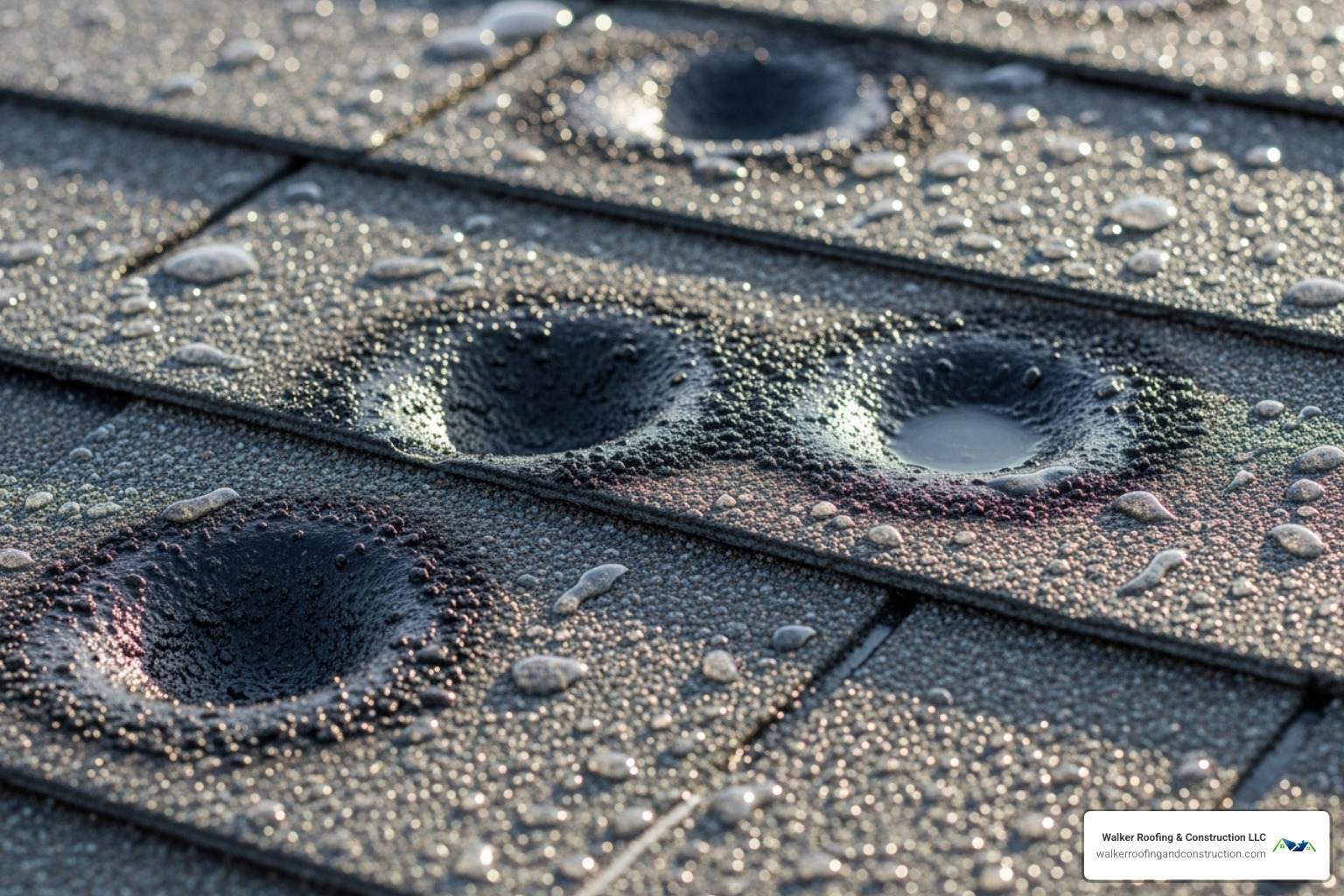
Covered vs. Excluded: What Qualifies When You Can Claim Roof Replacement on Insurance?
Insurance companies have a simple rule: they cover sudden disasters, not gradual wear and tear. It’s like the difference between a tree falling on your roof during a storm versus your shingles slowly curling after 20 years.
Storm damage is the most common covered event in Northeast Ohio, including damage from powerful wind, hail, or heavy snow. Fire and lightning strikes are also typically covered, as they are considered sudden and accidental. Falling objects like tree branches also qualify, as long as the damage happened suddenly.
Water damage gets tricky. If a covered peril like a storm creates a leak that damages your home’s interior, you’re usually protected. The key is that the cause must be “sudden”—a pipe that bursts is covered, but a slow leak you ignored for months is not.
Insurance won’t cover normal wear and tear—that’s part of homeownership. If your 25-year-old shingles are simply at the end of their life, the replacement cost is on you. The same goes for poor maintenance; if you knew about missing shingles and didn’t fix them, your insurer can deny a claim for the resulting damage.
Damage from pests like rodents or birds typically isn’t covered. Insurers expect homeowners to address these issues before they cause major damage. The same logic applies to mold and rot, which usually result from ongoing moisture problems that should have been caught and repaired earlier.
Decoding Your Policy: ACV vs. RCV and Deductibles
Here’s where things get interesting – and where many homeowners get surprised. When you ask “can I claim roof replacement on insurance,” the answer depends heavily on whether you have Actual Cash Value (ACV) or Replacement Cost Value (RCV) coverage.
ACV coverage pays for your old roof’s value after depreciation. For example, on a 10-year-old roof that cost $15,000, the insurance company might determine its depreciated value is only $8,000. After your deductible, you could be on the hook for the rest.
RCV coverage is better for homeowners, as it pays the full cost to replace your roof with new materials, minus your deductible. For that same $15,000 roof with a $1,000 deductible, you’d receive $14,000. RCV policies cost more, but offer far greater protection.
| Feature | Actual Cash Value (ACV) | Replacement Cost Value (RCV) |
|---|---|---|
| Payout Calculation | Replacement cost minus depreciation | Full replacement cost |
| Out-of-pocket | Higher, as you pay for depreciation | Lower, as depreciation is not subtracted |
| Premium | Generally lower | Generally higher |
| Ideal for | Homeowners with older roofs, or those on a budget | Homeowners wanting full coverage for new roof |
Deductibles are your share of the cost – think of it as your “skin in the game.” Most range from $500 to $2,000, though some are percentage-based. Higher deductibles mean lower premiums, but more out-of-pocket when you file a claim.
Don’t overlook Ordinance and Law coverage. Building codes change over time, and if your damaged roof needs to be brought up to current standards during replacement, this coverage helps pay those extra costs. Without it, you might face thousands in unexpected expenses.
Remember the statute of limitations – you typically have one to six years to file a claim after damage occurs, depending on your state. Don’t wait too long, thinking about it.
The Claims Process: A Step-by-Step Guide to Filing
Once you confirm your damage is likely covered, it’s time to file a claim. Following the right steps makes the process manageable. Walker Roofing & Construction LLC has guided homeowners through this for over 20 years.
Document everything immediately. Use your phone to take extensive photos and videos from every safe angle. Get wide shots of the roof, close-ups of damaged shingles or dents, and any damage to gutters or siding. Note the date and weather conditions. This evidence is crucial. See the key signs of storm damage to know what to photograph.
Prevent further damage. Your policy requires you to mitigate damage, so safely tarp any holes to prevent interior leaks. Keep receipts for temporary repair materials, as they are often reimbursable. For severe damage, Walker Roofing & Construction LLC offers emergency services.
Contact your insurance company as soon as possible. The sooner you report the damage, the better. Have your policy number ready and provide all the details you’ve gathered. Be honest and thorough – this isn’t the time to downplay or exaggerate anything.
Schedule the adjuster inspection – and have a qualified roofer present. While adjusters are knowledgeable, a roofing expert can spot subtle damage and explain technical issues, which can make a significant difference in your claim’s outcome.
Get detailed estimates from reputable contractors. They should itemize all costs: materials, labor, tear-off, disposal, and necessary code upgrades. Walker Roofing & Construction LLC provides comprehensive roof estimates that give adjusters the details they need.
The key to success? Don’t go it alone. Having an experienced roofing contractor in your corner makes the entire process smoother and often results in better outcomes for homeowners.
After the Claim: Navigating Repairs, Denials, and Future Premiums
Congratulations, you’ve steered through the initial claim process! But the journey isn’t over yet. Whether your claim is approved or denied, and how you proceed with repairs, can have long-lasting impacts on your home and your insurance future.

What to Do If Your Roof Replacement Claim is Denied
Hearing that your roof replacement claim has been denied feels like a punch to the gut, especially when you’re staring at obvious storm damage. Take a deep breath. A denial isn’t the end of the road, and you have options to fight back.
Review your denial letter carefully. The insurance company must tell you exactly why they said no. Common reasons are that the damage was pre-existing, caused by poor maintenance, or is only cosmetic. Understanding their reasoning is the first step in your appeal.
Gather more evidence. Strengthen your case by taking more photos, pulling local weather reports for the damage date, and finding maintenance records that prove you’ve cared for your roof. Adjusters can miss or misinterpret damage.
Get a professional second opinion. An experienced roofer can spot damage adjusters overlook. Walker Roofing & Construction LLC provides detailed professional Roof Estimates that serve as powerful evidence for an appeal.
Appeal the decision formally. Contact your insurance company to request a review. Present your new evidence and clearly explain why you believe their decision was incorrect. Stay persistent but professional, and document every communication.
Insurance companies want to pay legitimate claims, but they also need to protect themselves from fraudulent or maintenance-related issues. A well-documented, professional approach gives you the best shot at overturning a denial.
Choosing a Contractor and Upgrading Your Roof
Once your claim is approved, choosing the right contractor is your most important decision. A local, experienced professional ensures the project runs smoothly and the new roof lasts. This is especially true for homeowners in Northeast Ohio communities like Chesterland, Painesville, or Willoughby.
Look for a contractor with insurance experience. You need a roofer who understands the claims process and can work with adjusters to ensure all damage is covered. Walker Roofing & Construction LLC has over 20 years of experience managing insurance claims, ensuring nothing is missed.
Verify their credentials. Always check for proper licensing, insurance, and certifications. As a certified CertainTeed Master Shingle Installer, Walker Roofing & Construction LLC meets the highest industry standards. Check recent reviews and ask for local references.
Understand the costs. A new asphalt roof can cost between $10,000 and $24,000, highlighting why insurance coverage is so critical for homeowners.
Consider upgrading. Your insurance settlement is a great opportunity to invest in better materials. Impact-resistant shingles can earn you insurance discounts, while durable metal roofs can last over 50 years, significantly longer than standard asphalt.
Walker Roofing & Construction LLC can guide you through all your Roof Replacement options to maximize the value of your settlement.
Long-Term Considerations: Can I Claim Roof Replacement on Insurance in the Future?
Successfully navigating one roof replacement claim naturally leads to questions about the future. Can I claim roof replacement on insurance again down the road, and what are the long-term consequences of filing claims?
Your premiums might increase. While a single storm damage claim may not affect your rates, multiple claims in a short period can flag you as high-risk and lead to higher premiums or non-renewal.
Insurance companies track your claim history carefully. They’re especially wary of patterns that suggest poor maintenance or preventable issues. This makes regular roof maintenance absolutely crucial for your future insurability and rates.
Proper maintenance is key. A well-maintained roof lasts longer and demonstrates to insurers that you are a responsible homeowner. Regular inspections, gutter cleaning, and prompt small repairs are crucial for protecting your investment and your future insurability.
Quality installation reduces future risks. A professional installation prevents issues caused by poor workmanship. Walker Roofing & Construction LLC’s 10-year workmanship guarantee protects your investment and helps preserve your claims history.
Ultimately, insurance covers sudden damage, not neglect. By performing diligent maintenance, understanding your policy, and partnering with an experienced professional like Walker Roofing & Construction LLC, you protect your home and your insurability. If future storms strike, we are ready to help with your Storm Damage Repair claim.