Understanding Roof Replacement Costs in Ohio
The average cost of a new roof in Ohio ranges from $6,000 to $15,000 for most homeowners, with the typical project costing around $7,500 for a 2,000-square-foot home with architectural asphalt shingles.
Quick Cost Overview:
- Small roofs (under 1,000 sq ft): $3,500 – $10,000
- Medium roofs (1,000-1,500 sq ft): $8,000 – $15,000
- Large roofs (1,500-2,000+ sq ft): $9,000 – $20,000
- Premium materials (slate, metal): Up to $60,000
Ohio’s challenging weather—from humid summers to harsh, snowy winters—puts serious stress on roofing systems. For the state’s 3.5 million owner-occupied homes, this means a roof replacement is likely every 20-50 years, depending on the material, according to the United States Census Bureau. A new roof is a significant investment, and the cost varies based on roof size, materials, complexity, and local labor rates. Urban areas like Columbus, Cincinnati, and Cleveland typically have higher labor costs than rural regions.
Understanding these costs upfront helps you budget properly and avoid surprises during your roofing project. Whether you’re dealing with storm damage, aging shingles, or planning a proactive replacement, knowing what to expect financially is the first step toward protecting your home investment.
Related content about average cost of a new roof in ohio:
Key Factors Influencing the Average Cost of a New Roof in Ohio
The average cost of a new roof in Ohio isn’t a single number; several key factors shape your final bill. Your choice of roofing material is the biggest driver, but your roof’s size, complexity, and pitch (steepness) also play important roles. A simple ranch-style home will cost less than a complex Victorian with multiple dormers. Steeper roofs require more safety equipment and time, which increases labor costs. For homeowners wanting to dive deeper into these cost variables, you can find more info about new roof cost to help guide your decisions.
Material Breakdown: From Asphalt to Slate
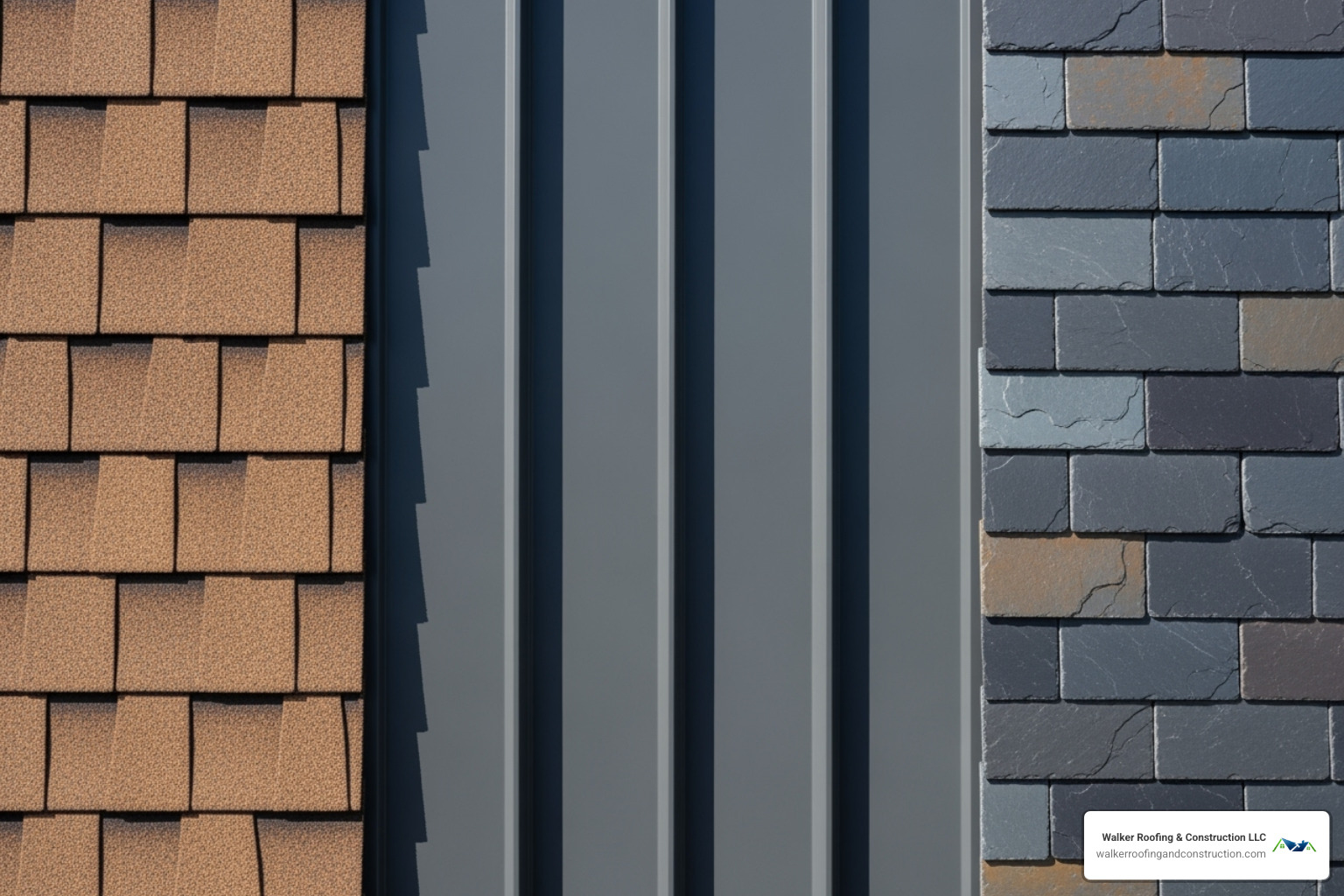
Your choice of roofing material is hands-down the biggest factor in determining your project cost. Each material brings its own personality to the table – some prioritize affordability, others focus on longevity, and a few aim to make your neighbors a little jealous.
Asphalt shingles remain Ohio’s favorite for good reason. They’re affordable, reliable, and handle our unpredictable weather like champs. Basic 3-tab shingles cost $3.50 to $7.50 per square foot, while architectural shingles (the ones with more visual appeal) run $4.00 to $8.50 per square foot. If you’re feeling fancy, luxury asphalt options can reach $16.00 per square foot. These workhorses typically last 15 to 30 years and laugh off Ohio’s wind and rain storms. You can learn more about asphalt shingle roofing options.
Metal roofing is gaining popularity faster than a Cleveland Cavaliers comeback. Costing $7.00 to $15.00 per square foot (with premium copper reaching $10.00 to $40.00), metal roofs last 30 to 50 years or even up to 75 years with proper care. They’re energy-efficient superstars, reflecting summer heat and shedding winter snow like pros. Check out more info about metal roofing if this sounds appealing.
Wood shingles and shakes offer that rustic charm that makes your home look like it belongs in a magazine. At $6.00 to $16.00 per square foot, they provide excellent insulation and last 25 to 35 years. However, they need more TLC than other materials and aren’t suitable for all areas due to fire restrictions.
Slate roofing is the Rolls-Royce of roofing materials. Natural slate costs $15.00 to $35.00 per square foot, but it can outlast your great-grandchildren with a lifespan of over 100 years. Synthetic slate offers similar looks for $8.00 to $15.00 per square foot – still premium, but easier on the wallet.
Clay and concrete tiles bring Mediterranean flair to Ohio homes. Priced at $10.00 to $27.50 per square foot, these fire-resistant beauties last 50+ years. Just remember, they’re heavy – your home might need structural reinforcement, which adds to the overall cost.
Sizing Up the Job: How Square Footage Affects the average cost of a new roof in ohio
Here’s where math becomes your friend (or frenemy). Larger roofs need more materials and more labor hours, which means higher costs. Contractors measure roofs in “squares,” where each square equals 100 square feet.
Interestingly, bigger roofs sometimes offer better per-square-foot pricing due to efficiency gains – like buying in bulk at the grocery store.
Here’s how size typically translates to cost in Ohio:
| Roof Size | Squares | Estimated Cost Range |
|---|---|---|
| 1,500 sq ft | 15 | $5,750 – $31,415 |
| 2,000 sq ft | 20 | $8,000 – $41,822 |
| 2,500 sq ft | 25 | $10,250 – $12,500 |
| 3,000 sq ft | 30 | $12,500 – $15,000 |
| 3,500 sq ft | 35 | $14,750 – $17,500 |
But square footage is just the beginning. Roof complexity can turn a straightforward job into a puzzle. Multiple dormers, valleys, skylights, and chimneys require precision cutting, extra flashing, and careful waterproofing. It’s like the difference between assembling a basic bookshelf versus building a custom entertainment center.
Roof pitch also impacts your budget. Steep roofs (think church steeples) require specialized safety equipment, slower work pace, and nerves of steel. Most Ohio homes have moderate pitches between 4/12 and 7/12, but if your roof could double as a ski slope, expect higher labor costs.
Labor and Location: Regional Influences on the average cost of a new roof in ohio
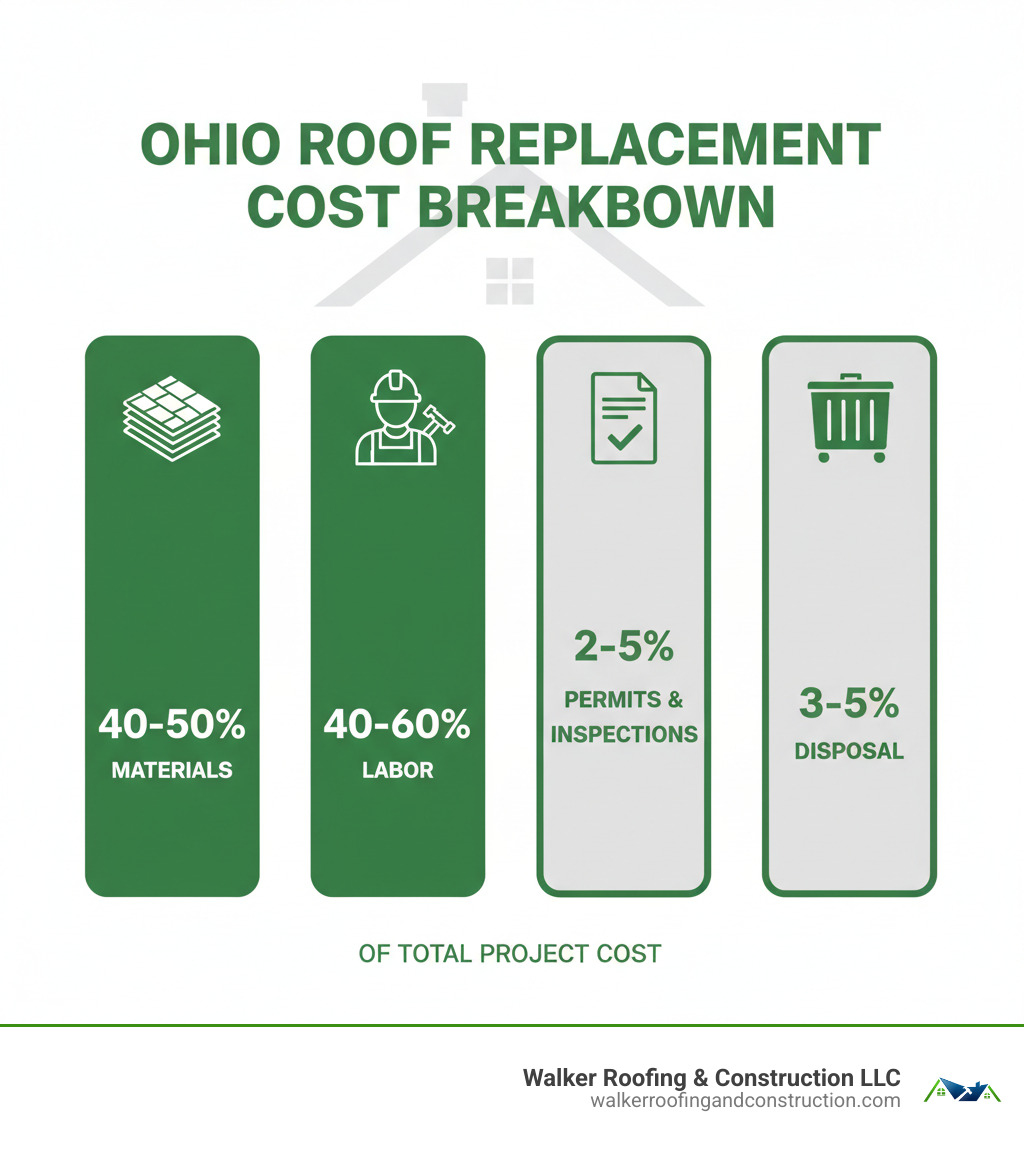
Labor represents 40-60% of your total roofing budget – a significant chunk that varies based on where you live in the Buckeye State. Professional roofers in Ohio typically charge around $75 per hour, with foreman supervision adding about $160 per day.
Location matters more than you might think. Urban areas like Columbus, Cincinnati, and Cleveland command higher prices due to increased demand and higher living costs. Columbus residents might pay $9,368 to $14,878 for a 1,515 sq ft roof, while Cincinnati homeowners budget $10,363 to $16,459 for a 1,676 sq ft roof. Cleveland installations range from $9,272 to $14,727 for a 1,500 sq ft roof.
Rural areas often offer more competitive rates, though you might have fewer contractor options or longer wait times for specialized materials.
Spring and fall are peak seasons with ideal weather but higher demand. Winter installations can be challenging but may offer off-season discounts. Late fall often provides a good balance of reasonable weather and better pricing. The key is balancing cost savings with optimal installation conditions. Walker Roofing & Construction LLC can provide a free roof estimate and help you determine the best time for your Northeast Ohio project.
Planning Your Ohio Roof Replacement: From Signs to Financing
Planning a roof replacement can feel overwhelming at first, but breaking it down into manageable steps makes the process much smoother. The key is understanding when repair won’t cut it anymore, budgeting for all the costs (including the sneaky hidden ones), and finding the right financing solution for your situation.
Most importantly, you’ll want to choose a contractor who truly understands Ohio’s unique roofing challenges. If you’re in the Mentor area or surrounding Northeast Ohio communities, getting expert guidance can make all the difference in your project’s success. For local homeowners, Tips to Help Choose the Best Roof for Your Mentor Home offers valuable insights custom to our regional climate and housing styles.
Repair vs. Replace: Knowing the Warning Signs
Homeowners often wonder whether to repair or replace their roof. While repairs seem cheaper, patching a failing roof system can cost more in the long run.
Age is often the biggest tell-tale sign your roof needs replacement rather than repair. If your asphalt shingles are pushing 20-25 years old, even minor problems usually indicate it’s replacement time. Think of it like an old car – at some point, you’re putting more money into repairs than the vehicle is worth.
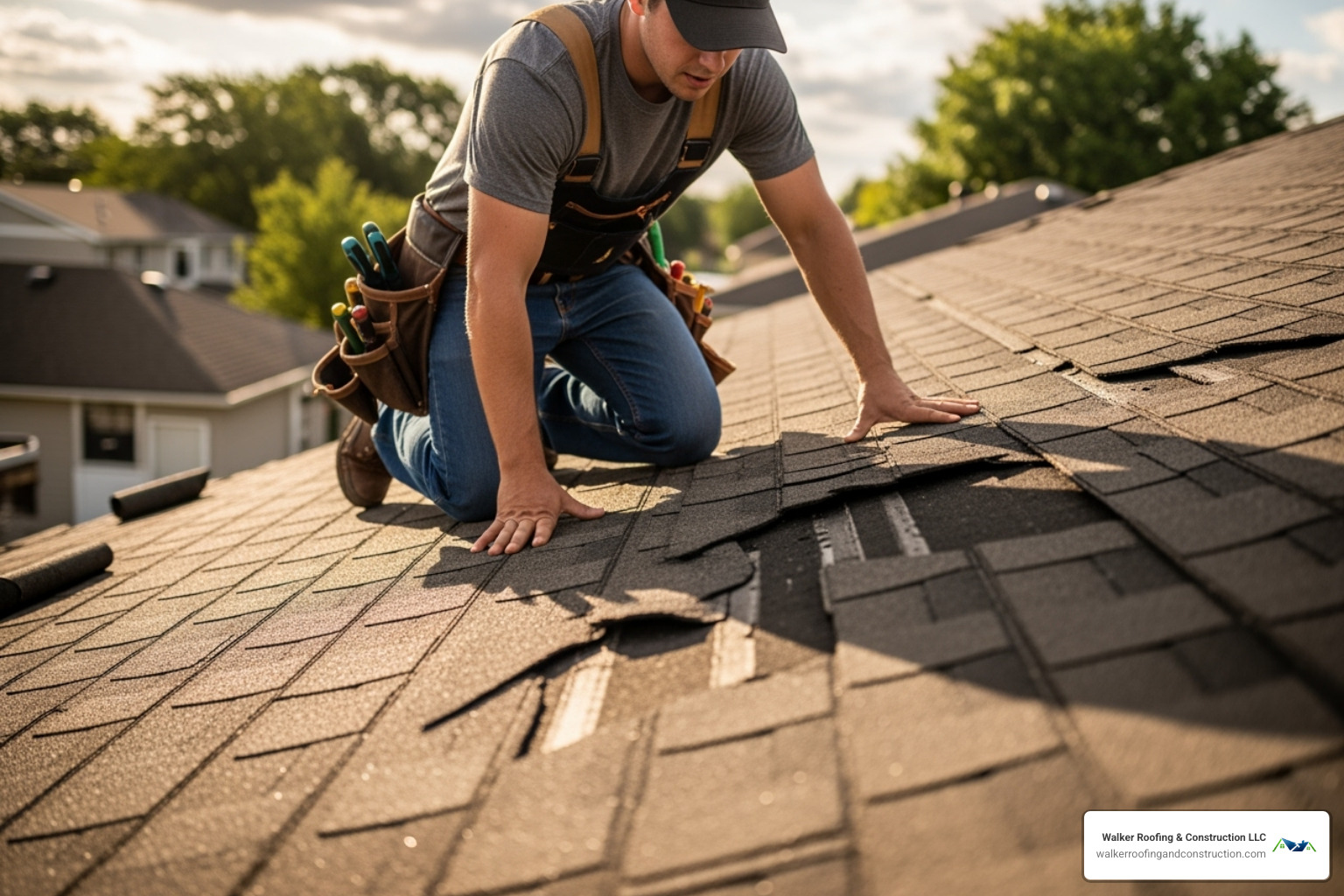
Curled, cracked, or missing shingles are clear red flags that your roof’s protective barrier is failing. When shingles start curling at the edges or cupping in the middle, they’ve lost their ability to shed water effectively. Missing shingles are obvious trouble spots, but even a few missing pieces can indicate broader deterioration.
Granule loss is another major warning sign many homeowners overlook. Those little granules protect your shingles from UV damage, so if you’re finding them piling up in your gutters after every rain, your shingles are essentially losing their sunscreen. Once granules are gone, the underlying asphalt deteriorates rapidly.
Water stains on ceilings or walls tell a story of ongoing moisture intrusion. A single small leak might be repairable, but multiple stains or large discolored areas usually mean your roof system is compromised in several places.
Sagging rooflines are serious business and always require immediate attention. This indicates structural problems that go beyond the roofing materials themselves – you’re looking at potential damage to rafters, trusses, or decking.
If you can see daylight through your roof boards when you’re up in the attic, that’s definitely replacement territory. Similarly, if your attic feels unusually humid or you notice moisture on the insulation, your roof isn’t doing its job anymore.
For homeowners dealing with urgent issues, 5 Signs You Need Immediate Roof Repair in Mentor, Ohio provides detailed guidance on what constitutes an emergency. When repairs are still viable, you can learn about More about Roof Repair services available in our area.
Hidden Costs and Budgeting for Your Project
When budgeting for the average cost of a new roof in Ohio, the material and labor estimates are just the beginning. Several additional expenses can catch homeowners off guard if they’re not planned for upfront.
Permits and inspections are required for most roof replacements in Ohio, typically costing between $100 to $500 depending on your municipality. Don’t forget about inspection fees, which can add another $50 to $200 per required inspection. These aren’t optional expenses – they ensure your new roof meets local building codes and safety standards.
The tear-off versus overlay decision significantly impacts your budget and your roof’s performance. A complete tear-off, where all existing materials are removed down to the deck, typically costs $8,000 to $15,000 but allows for proper inspection and installation. An overlay installation runs $6,000 to $10,000 but can hide problems and may void manufacturer warranties. Most roofing professionals strongly recommend the tear-off approach, especially in Ohio’s challenging climate.
Unexpected decking repairs are probably the most common surprise cost. Once the old shingles come off, damaged or rotted plywood becomes visible. Replacing compromised decking can cost $150 to $800 per section, so it’s wise to budget an extra 10-15% of your total project cost for these contingencies.
Debris removal generates more waste than most homeowners expect. A typical roof replacement creates several tons of old materials, with disposal costs ranging from $30 to $100 per ton. Most projects see total disposal fees between $160 and $500.
Gutters and flashing often need attention during roof replacement. Since scaffolding and equipment are already in place, it’s usually more cost-effective to handle these upgrades simultaneously. New gutters can add $2,000 to $6,000 to your project, while flashing replacement typically runs $300 to $1,000. For comprehensive gutter solutions, explore More about our Gutter services.
Ventilation improvements are crucial for Ohio homes, where proper airflow prevents ice dams in winter and reduces cooling costs in summer. Adding or upgrading roof vents typically costs $200 to $1,000, while insulation improvements can run $1 to $5 per square foot.
Financing, ROI, and Choosing the Right Contractor
A new roof represents a significant investment, but it’s one that pays dividends in protection, comfort, and home value. Understanding your financing options and the long-term benefits helps put the average cost of a new roof in Ohio into perspective.
The return on investment for roof replacement is impressive. According to the 2024 Cost Vs. Value report, a new asphalt shingle roof provides a 59% ROI, while metal roofing offers 48%. This means you’re not just spending money – you’re investing in an asset that increases your home’s value and marketability.
Insurance claims can significantly offset replacement costs when storm damage is involved. Navigating the claims process requires documentation, timing, and often some advocacy with insurance adjusters. Walker Roofing & Construction LLC specializes in Help with Insurance Claims Roofing, helping homeowners maximize their coverage while ensuring quality installations. Most policies include deductibles ranging from $500 to $2,000.
Financing options make roof replacement accessible. Many contractors offer same-as-cash programs or fixed-rate financing with competitive rates (e.g., 6.99% APR for 60 months). Home equity loans or lines of credit typically offer the lowest interest rates. Personal loans are another option, though rates may be higher. For qualifying low-income families, USDA grants and loans can also help cover essential home repairs.
Choosing the right contractor ultimately determines whether your investment delivers decades of protection or becomes an expensive headache. Experience matters tremendously – Walker Roofing & Construction LLC brings over 20 years of expertise to every project across Northeast Ohio communities like Mentor, Ashtabula, Chagrin Falls, and Chardon.
Licensing and insurance aren’t negotiable. These protections shield you from liability and ensure the contractor meets professional standards. Manufacturer certifications like Walker Roofing’s CertainTeed Master Shingle Installer status demonstrate advanced training and often open up extended warranty options.
Workmanship warranties separate quality contractors from the rest. Walker Roofing & Construction LLC backs every installation with a 10-year workmanship guarantee, providing long-term peace of mind that extends well beyond the completion of your project.
Transparent pricing should be standard, with detailed quotes explaining every cost component. A reputable contractor takes time to walk you through the estimate, answer questions, and help you understand exactly what you’re investing in.
For homeowners ready to move forward, Learn more about our Roof Replacement process provides detailed information about what to expect from start to finish.